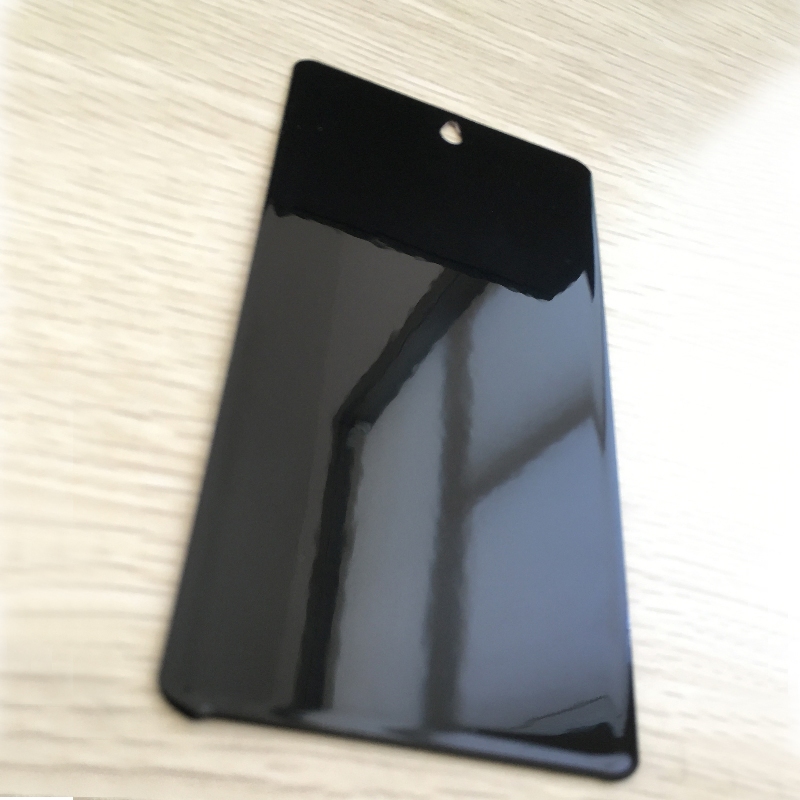
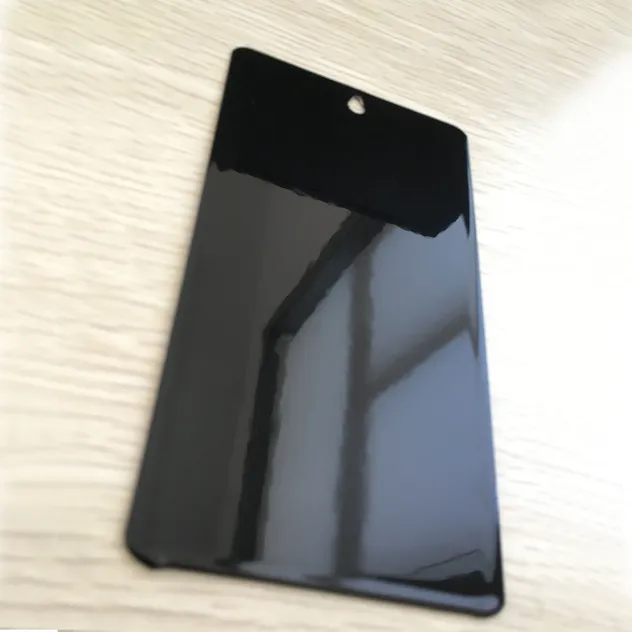
Q1: Why does high gloss powder sometimes tarnish?
A1: This usually occurs due to poor sanitation in the spraying room, over-baking in the oven, or mixing new powder with recycled batches. Maintaining a clean environment and following specified temperature/time settings is critical.
Q2: Why does the paint film change color?
A3: Residual pretreatment liquid, excessive baking temperature, or contamination with other powders can cause yellowing or color shifts. Ensure thorough pretreatment and strictly follow factory curing schedules.
Q3: What causes particle lumps on the coating surface?
A4: Common causes include unclean workpiece surfaces, poor spray gun atomization, damp powder, or dust pollution in the drying channel. Improving base material cleaning and air purification helps resolve this.
Q4: Why do shrinkage holes appear on the surface?
A5: These are typically caused by oil residue from improper pretreatment, or oil/water contamination in the compressed air. Regularly checking air compressors and discharge tanks is recommended.
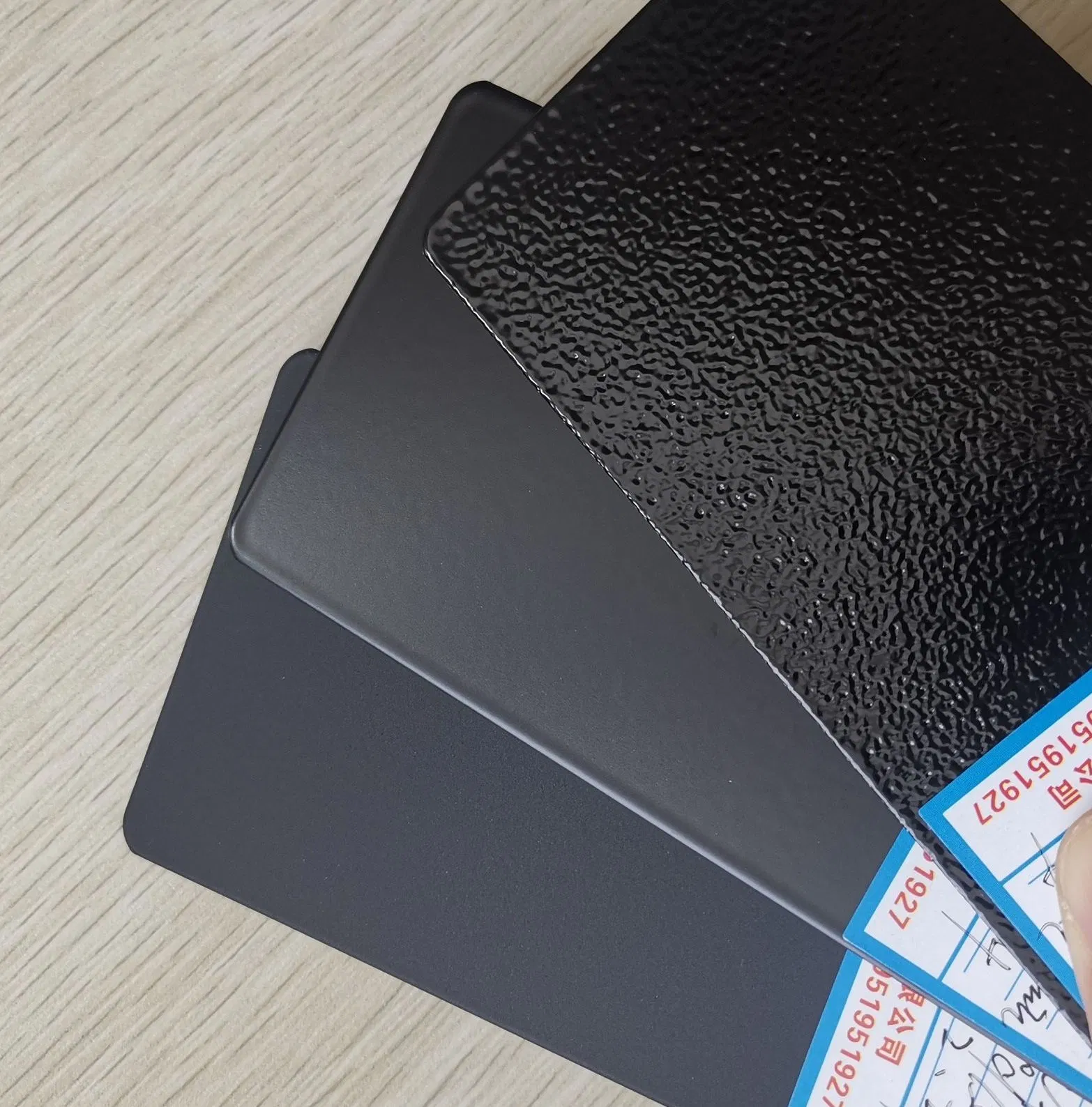
Q5: What causes an "orange peel" effect?
A6: A rough workpiece surface, incorrect coating thickness (recommended 60-80μm), or poor grounding can lead to leveling issues. Adjusting curing parameters and ensuring proper grounding are key solutions.
Q6: Why is the powder adhesion rate low?
A9: This is often due to insufficient voltage from the electrostatic generator or poor grounding of the workpiece. Clean your hanging appliances regularly to ensure a solid electrical connection.