Marble is a fascinating natural stone used in various applications, from architecture to art. One of the most intriguing aspects of marble is its unique appearance, particularly the veins present in its structure. You may wonder, "Why do some marbles have more veins than others?" This question reflects not only the beauty of marble but also the geological processes that shape it.
The variations in marble veins are a result of different mineral compositions and environmental conditions during its formation. When marble undergoes metamorphism, impurities in the limestone can lead to striking patterns. These veins often contain minerals like quartz and iron oxides. As a result, the mineral content influences the veining of the marble significantly.
Understanding these patterns can deepen our appreciation of marble as a natural art form. However, it also raises questions about the reproducibility of these unique designs. It's essential to examine how factors like heat, pressure, and mineral presence create the specific vein characteristics we observe. This complexity reminds us that nature's variations are not always perfect. Each piece of marble tells a story.
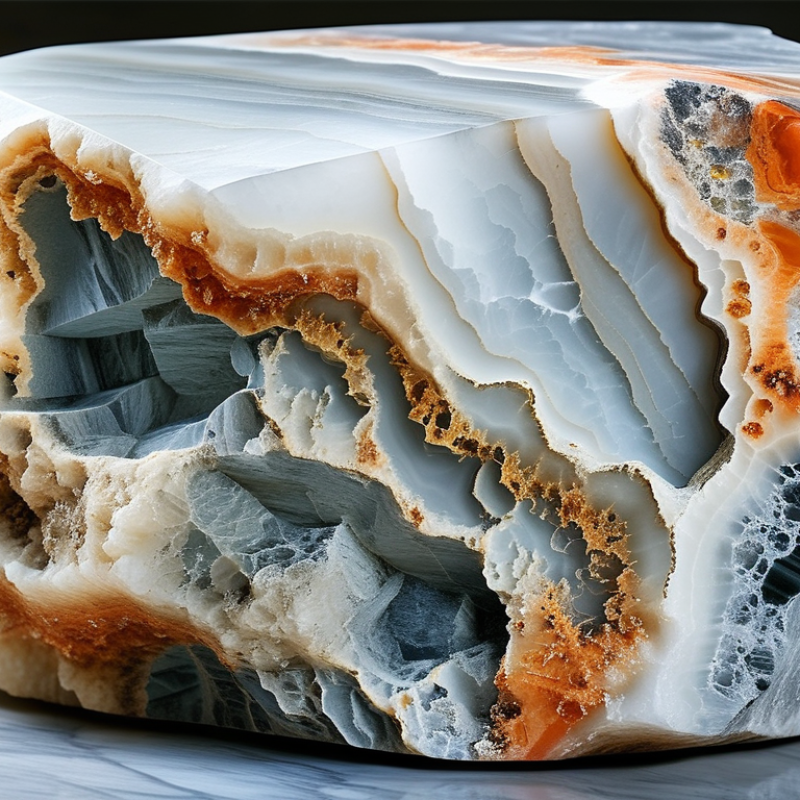
What Are Veins in Marbles and How Are They Formed?
When examining marbles, we often notice their beautiful veins. But what exactly are these veins? In marble, veins are the distinctive lines or patterns caused by mineral impurities. These unique features can vary significantly due to the geological processes involved in marble formation.
Veins are formed during the metamorphic process, where limestone transforms into marble under heat and pressure. This process can introduce different minerals, such as clay or iron oxide, resulting in colorful streaks and patterns. The distribution and concentration of these minerals impact the appearance of veins in the final product. Some marbles may show sparse veins, while others may have rich, intricate designs.
**Tips:** When selecting marble, consider the type of pattern you desire. Each piece tells a story of its geological past. Inspect different slabs closely to appreciate their unique vein patterns. Remember, the irregularities in veins showcase natural beauty. They can symbolize imperfection, adding character to your space.
Factors Influencing the Appearance of Veins in Marble Stones
Veins in marble stones are a captivating feature, stemming from various geological factors. One primary element influencing vein formation is the mineral content of the surrounding rock. According to a report by the Geological Society, regions with high silica levels tend to produce marbles with prominent veins. Silica-rich fluids can lead to the deposition of minerals like quartz and calcite, creating intricate veining patterns.
Temperature and pressure during marble formation also play vital roles. The changing conditions cause minerals to crystallize differently, impacting vein density. Research indicates that marble formed under higher pressure often exhibits more defined veining. Yet, not all marbles formed under extreme conditions show this feature; some may reveal fewer veins, generating questions about the consistency of geological processes.
Additionally, marble's exposure to weathering and erosion can alter its surface, sometimes masking vein details. Vein formation is complex, often varying even within a single quarry. This complexity invites reflection on how natural processes can shape materials differently, making each piece of marble unique. The beauty in its imperfections highlights nature's artistic touch, reminding us of the intricate dance between geology and aesthetics.
Comparison of Marble Types and Their Vein Patterns
Marble is a prized natural stone, known for its beauty and unique patterns. The presence of veins can vary significantly among different types of marble. This variation is primarily due to the geological conditions under which the marble formed. Quartz, iron oxide, and other minerals contribute to these distinct vein patterns, creating a rich visual experience.
Certain studies indicate that over 75% of marble in high-demand regions possesses pronounced veins. For example, Carrara marble features noticeable, often dramatic veining, while other types, like Calacatta, showcase thicker, bolder veins. The complexity arises from the mineral content and the metamorphic processes involved.
A report by the International Marble Institute highlighted how specific conditions lead to vein formation, affecting both aesthetics and market value.
Choosing a marble type with the right vein pattern is essential for design projects. More pronounced veins usually signify higher quality and rarity. However, some may find extreme veining distracting. It’s crucial to balance personal preference with the stone's characteristics. Each marble slab is a testament to nature’s artistry, yet not every choice will suit every project.
Geological Processes Behind Veined and Non-Veined Marbles
Marble formation is a fascinating result of geological processes. The presence of veins in some marbles is due to the interaction of minerals during metamorphism. Heat and pressure transform limestone into marble. This transformation can occur with varying levels of impurities. Those impurities can lead to the development of veins, creating stunning patterns.
For instance, calcite and other minerals can be compressed in specific areas. As a result, they form distinct lines or streaks in the marble. The environment is key to these variations. Some marbles, found in specific geological settings, show more complex veining. Others remain more uniform, lacking noticeable patterns.
Understanding these processes can enhance appreciation of natural stone. Each piece of veined marble tells a unique story of its formation. It reflects the conditions it endured deep in the earth. However, not all marbles with veins possess the same quality. Variations can lead to weaknesses. This can serve as a reminder of nature's unpredictable artistry. Embracing these imperfections, we find beauty in uncertainty.
The Aesthetic and Commercial Value of Veined vs. Non-Veined Marbles
Veined marbles have captivated designers and architects for centuries. The veining patterns in these stones not only enhance their aesthetic appeal but also contribute to their commercial value. According to industry studies, marbles with intricate veining can fetch prices that are, on average, 30% higher than solid colors. This trend is driven by demand for unique, eye-catching materials in residential and commercial projects.
The aesthetic value of veined marbles lies in their natural beauty, showcasing a variety of colors and patterns. Each slab is unique, making it desirable for high-end installations. Designers often prefer veined samples when creating luxury spaces. However, it’s essential to recognize that while beauty is subjective, the market shows a clear preference for veined varieties, as reported by the Marble Institute of America.
Tip: When selecting marble, consider its veining patterns. They can significantly affect both appearance and price.
Non-veined marbles, on the other hand, are often perceived as more subdued. They can provide a sleek, modern look. However, they are sometimes overlooked in favor of their more vibrant counterparts. This can lead to missed opportunities in market segments that appreciate minimalism. In recent years, non-veined options have seen a resurgence, as various aesthetic trends evolve.
Tip: Stay informed about market trends. This knowledge can help you find value in both veined and non-veined marbles.
Why Do Some Marbles Have More Veins Than Others Explained - The Aesthetic and Commercial Value of Veined vs. Non-Veined Marbles
| Marble Type |
Veins Present |
Aesthetic Value |
Commercial Value |
| Carrara Marble |
High |
Elegant and timeless |
High demand and price |
| Calacatta Marble |
Very High |
Luxurious and striking |
Premium pricing |
| Crema Marfil |
Medium |
Warm and inviting |
Moderate pricing |
| Nero Marquina |
High |
Dramatic contrast |
High demand |
| Thassos Marble |
Low |
Bright and clean |
Competitive pricing |
FAQS
: Veins form due to mineral interactions during metamorphism, influenced by heat and pressure.
Limestone transforms into marble through heat and pressure, with impurities affecting the final appearance.
The geological environment contributes to the variation in veining patterns across different marbles.
Veined marbles showcase unique colors and patterns, enhancing their beauty and making them desirable for high-end applications.
Veined marbles often cost about 30% more than non-veined due to their intricate designs and market demand.
The veining patterns can significantly influence both the appearance and price of the marble.
While often overlooked, non-veined marbles can provide a sleek look and have gained appreciation for minimalistic trends.
Variations in veining can lead to weaknesses, reminding us of nature’s unpredictable artistry in marble formation.
Yes, beauty is subjective, but market trends favor veined varieties for their unique aesthetic appeal.
Staying informed about evolving market trends can help identify opportunities for appreciating non-veined options.
Conclusion
The article titled "Why Do Some Marbles Have More Veins Than Others Explained" delves into the fascinating characteristics of marble stones, particularly focusing on the formation and appearance of veins. Veins in marbles are formed through geological processes that involve the movement of minerals within the rock, influenced by factors such as temperature, pressure, and chemical composition. Variations in these factors lead to diverse vein patterns across different types of marble, explaining why some marbles have more veins than others.
Moreover, the article compares various marble types and their unique vein arrangements, shedding light on the geological processes that differentiate veined and non-veined marbles. The aesthetic appeal and commercial value of veined marbles are also discussed, highlighting their desirability in architectural and decorative applications. Understanding these elements not only answers the question of why some marbles possess more veins than others but also emphasizes the significance of geological factors in the creation of these beautiful stones.

 Gem Marble