Marble surfaces add elegance to any space, but they can easily stain. Knowing how to stop marble from staining is essential for maintaining its beauty. Expert Sara Mitchell, a leading architect and interior designer, emphasizes, “Regular care is key to preserving marble’s integrity.”
When left unprotected, marble absorbs spills and stains quickly. This porous nature can lead to permanent damage. Simple measures can go a long way. For instance, sealing marble surfaces regularly creates a guard against stains. However, even the best sealants wear over time, so vigilance is crucial.
Using the right cleaning products also matters. Some household cleaners can be too harsh. They may dull the shine or even etch the surface. Understanding how to stop marble from staining requires both knowledge and commitment. By being proactive, you can enjoy your marble features for years to come without compromising their appearance.
Understanding Marble Composition and Its Susceptibility to Stains
Understanding marble composition is crucial to protecting it from stains. Marble is primarily composed of calcite, a form of calcium carbonate. This mineral structure makes it porous, allowing liquids and oils to seep in. When this happens, stains can form, becoming permanent if not treated promptly.
The susceptibility of marble to stains depends on several factors. The color and finish impact how well it resists discoloration. Lighter shades are often more prone to stains than darker ones. Additionally, polished marble may show stains differently than honed surfaces. The finish can either repel or attract substances. Regular care and maintenance are necessary to prevent staining, which can sometimes feel overwhelming.
Cleaning methods play a vital role in stain prevention. Using pH-balanced cleaners helps avoid damage to the marble surface. However, it's essential to be cautious with all cleaning products. Not every solution suits every finish, and testing is recommended.
Accepting that some imperfections will occur is part of living with marble. Embracing this concept can help guide effective maintenance practices.
Choosing the Right Sealant for Marble Surfaces
When it comes to protecting marble surfaces, selecting the right sealant is crucial. Marble is porous and can easily absorb stains from spills or dirt. A high-quality sealant creates a barrier, preventing these substances from penetrating. Look for a sealant that is specifically designed for natural stone. Test it on a small area first to ensure compatibility.
Regular maintenance is key. Reseal your marble surfaces every six months to a year, depending on usage. This ensures that the protective layer remains effective. Clean spills immediately. Even minor stains can set in if left unattended.
To further prevent staining, avoid acidic cleaners or harsh chemicals. Use pH-balanced cleaners specifically designed for marble. Consider placing coasters under beverages and mats under hot dishes. These small changes can enhance the life of your marble surfaces.
Regular Cleaning Practices to Prevent Staining on Marble
Marble surfaces can add elegance to any space, but they are prone to staining. Regular cleaning practices are essential to keep marble looking pristine. One effective method is to wipe down surfaces with a soft cloth daily. This simple habit reduces the buildup of dirt and grime that can lead to stains. Use a pH-neutral cleaner to avoid damaging the marble's surface.
Spills happen, and immediate action is crucial. If something acidic, like lemon juice or vinegar, contacts the marble, wipe it up right away. Even small amounts can cause etching. For deeper cleaning, consider using a mixture of warm water and mild soap. Avoid abrasive scrubbing pads, as they can scratch the marble. Instead, opt for a gentle approach.
Creating a cleaning routine can be beneficial. However, it's essential to remain cautious. Even diligent cleaning might not prevent all stains. Some substances seep into the marble, leaving permanent marks despite the best efforts. Regular sealing every year can provide additional protection. While this process requires some effort, it’s a worthwhile investment to maintain the beauty of marble surfaces.
Immediate Actions to Take After Spills on Marble
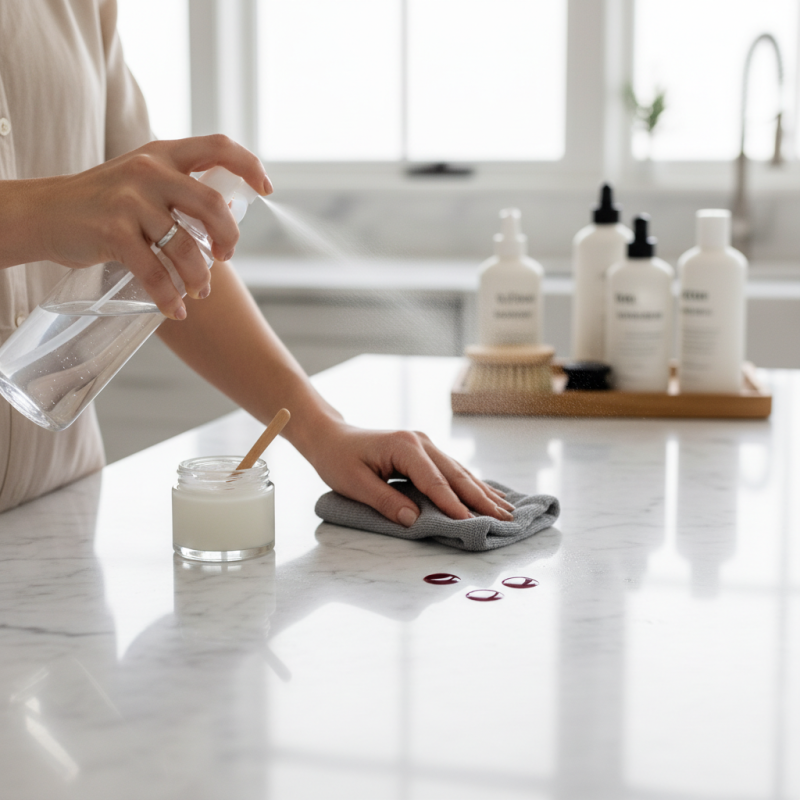
Marble is a beautiful choice for countertops, but it can easily stain if not properly cared for. Acting quickly is essential when spills occur. The first step after a spill is to blot the area with a clean, dry cloth. Avoid rubbing, as this can spread the stain. You want to lift the liquid, not push it deeper into the marble.
After blotting, rinse the area with warm water. Use a gentle sponge to wipe it down, ensuring no residue remains. For tougher stains, a paste of baking soda and water can help. Apply the paste to the stain and cover it for several hours. This method is a natural way to draw out the stain.
To prevent future stains, consider sealing your marble surface regularly. This adds a protective layer that makes a difference. Avoid acidic substances like lemon juice or vinegar near marble. Small actions can make a big impact. Always be mindful of what is placed on your marble surfaces, as prevention is the best strategy. Keeping your marble beautiful takes effort and awareness.
Top 10 Tips to Stop Marble from Staining? - Immediate Actions to Take After Spills on Marble
| Tip Number |
Action |
Details |
| 1 |
Blot the Spill |
Immediately blot up the spill with a soft cloth to prevent spreading. |
| 2 |
Rinse with Water |
Use clean water to rinse the affected area carefully. |
| 3 |
Use Mild Soap |
Apply a mixture of mild soap and water to clean the surface. |
| 4 |
Avoid Acidic Cleaners |
Do not use vinegar or lemon juice as they can etch marble. |
| 5 |
Dry Completely |
Ensure the surface is completely dry to prevent moisture retention. |
| 6 |
Apply a Marble Sealant |
Consider sealing the marble periodically to protect it from stains. |
| 7 |
Test Cleaners on a Hidden Area |
Always test cleaners on an inconspicuous area first. |
| 8 |
Use Coasters |
Place coasters under drinks to minimize risk of stains. |
| 9 |
Clean Spills Promptly |
Address spills immediately to prevent absorption. |
| 10 |
Consult a Professional |
If stains persist, seek help from stone care professionals. |
Long-Term Maintenance Tips for Keeping Marble Stain-Free
Keeping marble surfaces stain-free requires consistent care and attention. One effective way to maintain marble is to clean spills immediately. Acidic substances like citrus juice and wine can etch the marble. Wipe them up without delay. Use a soft cloth and a mild soap solution for daily cleaning. Avoid harsh chemicals that may damage the finish.
Selecting appropriate sealants is crucial for marble maintenance. Regularly reseal your marble surfaces to create a protective barrier. This can reduce the likelihood of stains penetrating the stone. A good sealer can last up to a year, but reapplication may vary based on usage. Always check the manufacturer’s recommendations for the best results.
Additionally, place coasters under glasses and mats under hot items. This simple step minimizes direct contact with the marble. Although preventive measures help, accidents happen. Observe your marble regularly for any signs of stains. Promptly addressing stains can salvage the surface. Balancing these tips will help you maintain the beauty of your marble for years.
Top 10 Tips to Stop Marble from Staining
Conclusion
In order to effectively learn how to stop marble from staining, understanding the composition of marble and its inherent susceptibility to stains is crucial. Marble is a porous material that can easily absorb spills if not properly maintained. Choosing the right sealant is a vital step in protecting marble surfaces, as it creates a barrier against potential stains.
Implementing regular cleaning practices, such as using pH-balanced cleaners and avoiding harsh chemicals, can significantly reduce the risk of discoloration. Additionally, taking immediate action after spills—such as blotting rather than wiping—can help prevent stains from setting in. Long-term maintenance involves periodic resealing and careful monitoring of high-traffic areas, ensuring that your marble remains beautiful and stain-free for years to come.

 Gem Marble