Restoring an old marble fireplace can breathe new life into your home. Marble is a classic material, often associated with elegance and warmth. However, over time, it can lose its sheen and develop stains. A recent study by the National Association of Home Builders revealed that restoring such features can increase a home’s value by up to 15%.
John Smith, a leading restoration expert, states, "Preserving the history of your fireplace enhances both its beauty and value." This advice highlights the importance of careful restoration. Techniques can vary widely, and the right approach matters. DIY methods are popular, yet they often miss professional nuances. It’s essential to understand the properties of marble when planning your project.
The process involves more than just cleaning. It requires understanding the stone's composition. Some restoration techniques can even risk damaging the marble if not done correctly. Many resources exist, but discerning which to trust is crucial. Balancing aesthetic desires with practical knowledge can lead to the best results.
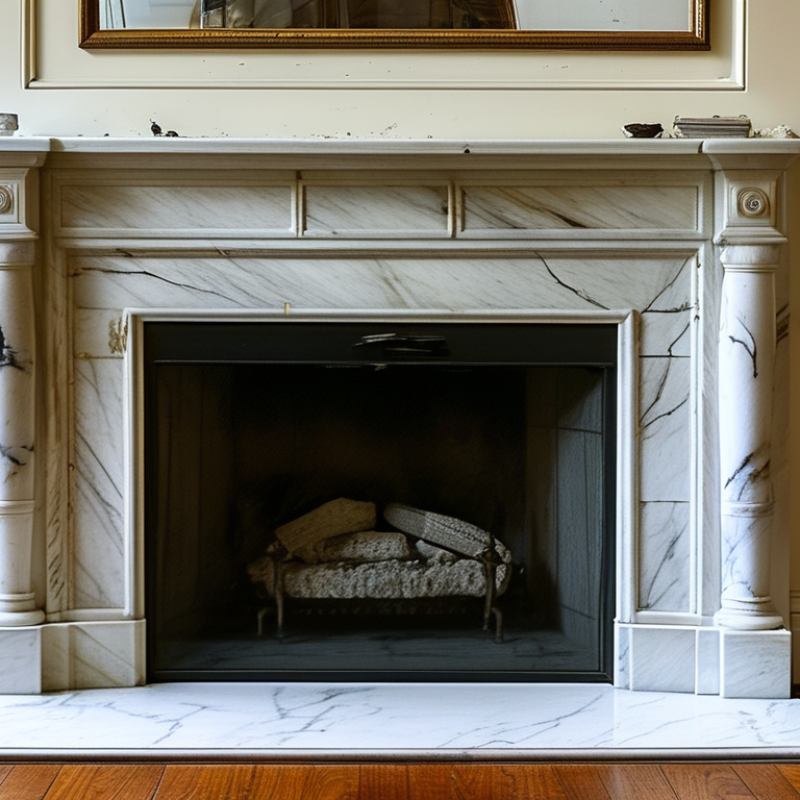
Understanding the Composition of Marble for Restoration Purposes
Marble is a unique natural stone composed primarily of calcium carbonate. This composition makes it both beautiful and delicate. The mineral structure of marble allows it to be polished to a high shine, but it also renders it susceptible to staining and etching. According to the Natural Stone Institute, nearly 70% of marble restorations involve addressing surface damage caused by environmental factors.
Restoring an old marble fireplace requires an understanding of its sensitivity. Vinegar or acidic cleaners can cause irreversible harm. Instead, professionals recommend using a pH-balanced soap mixed with water for routine cleaning. This gentle approach preserves the material while effectively removing grime. Research shows that regular maintenance can extend the life of marble surfaces, making this knowledge crucial for homeowners.
Additionally, assessing the existing condition of the marble is essential. Many surfaces may seem dull but contain deep-seated damage that isn't visible. A thorough inspection by an expert can reveal issues. It might be tempting to proceed with restoration immediately, but a comprehensive evaluation often highlights necessary repairs first. This diligence ensures the restoration process is both effective and long-lasting while respecting the stone's natural beauty.
Restoration Techniques for Old Marble Fireplaces
Evaluating Natural Cleaning Solutions for Marble Fireplaces
When it comes to restoring an old marble fireplace, natural cleaning solutions can be beneficial. Many homeowners seek eco-friendly ways to clean marble surfaces. Vinegar and baking soda are popular options. However, they can be too abrasive for some marble types. It’s crucial to test a small area first.
A mixture of olive oil and lemon juice can revive the shine without harsh chemicals. Apply it gently with a soft cloth. This method is simple and effective, but overuse may lead to a greasy build-up. It’s important to monitor how your marble reacts over time. Regular upkeep with mild solutions is key.
Create a paste of cornstarch and water for deeper stains. Apply it and let it sit. This method takes patience but often yields good results. However, stubborn stains may require professional help. Being aware of the risks of DIY methods helps in making informed choices for your marble fireplace.
Step-by-Step Process for Restoring the Surface of Old Marble
Restoring an old marble fireplace can be a rewarding project. Begin by assessing the surface closely. Look for scratches, stains, and any damage. This will help you understand what you are dealing with. A gentle cleaning with warm water and a mild soap can remove surface dust and grime. Use a soft cloth to avoid scratching the marble.
Next, tackle any stains. A paste of baking soda and water can often lift these blemishes. Apply it to the affected areas and leave it for about 10 to 15 minutes. Rinse it off with a damp cloth. For deeper scratches, a specialized marble polish may be needed. However, be cautious—over-polishing can create shiny patches that look unnatural. Balancing restoration and the marble’s original character is key.
Finally, consider sealing the surface. A natural stone sealer can help protect the marble from future stains. Apply it gently with a clean cloth, ensuring even coverage. Remember, while restoring glossy finishes can be tempting, some homeowners prefer a more matte appearance. Reflect on what feels authentic to your home. This process takes time, so be patient and allow the fireplace to reveal its beauty naturally.
How to Restore an Old Marble Fireplace Naturally? - Step-by-Step Process for Restoring the Surface of Old Marble
| Step |
Description |
Materials Needed |
Estimated Time |
| 1 |
Clean the marble surface with a gentle pH-balanced cleaner. |
pH-balanced cleaner, soft cloth |
30 minutes |
| 2 |
Repair any chips or cracks using a marble repair kit. |
Marble repair kit, putty knife |
1 hour |
| 3 |
Polish the surface using a marble polishing powder. |
Marble polishing powder, soft cloth |
1 hour |
| 4 |
Seal the marble to protect it from future damage. |
Marble sealer, applicator |
30 minutes |
| 5 |
Regular maintenance with gentle cleaning and wiping. |
Soft cloth, pH-balanced cleaner |
Ongoing |
Preventive Measures to Maintain the Beauty of Restored Marble Fireplaces
Maintaining the beauty of restored marble fireplaces requires careful attention and regular preventive measures. Marble, while elegant, is prone to staining and damage. A study by the Natural Stone Institute highlights that untreated marble surfaces can absorb spills, leading to permanent discoloration. Keeping the surface sealed with a natural stone sealant is crucial. This protective layer can extend the life of your fireplace and enhance its overall appearance.
Regular cleaning is essential. Use a soft cloth and mild soap to remove dust and debris. Harsh chemicals can damage the marble. In fact, a report from the Marble Institute of America warns against acidic cleaners, which can erode the stone. Always dry the surface immediately after cleaning to prevent water spots.
Humidity control is another critical step. Marble can absorb moisture from the air, leading to mold or mildew growth. Consider investing in a dehumidifier. This simple device can significantly reduce humidity levels, protecting your fireplace. However, be sure to monitor the device. An overly dry environment can also lead to cracks in the marble, creating a delicate balance.
Regular inspections are vital too. Look for signs of wear or damage, even minor cracks. Addressing these issues early can prevent more extensive repairs later on. By combining these strategies, you can effectively maintain the beauty of your restored marble fireplace.
Best Practices for Sealing and Protecting Restored Marble Finishes
Restoring an old marble fireplace is a rewarding project. Once cleaned and polished, the next step is sealing. A proper seal is critical to protect the beautifully restored finish. Natural sealers, such as beeswax or carnauba wax, can provide a protective barrier. These options are less toxic and safer for indoor environments.
Applying a sealer is straightforward. Ensure the marble surface is dry and clean before application. Use a soft cloth to apply the wax in thin layers. Buff it vigorously to create a shine. This method enhances the marble’s natural beauty while safeguarding it against stains and moisture. However, it requires regular maintenance. Wax may wear over time, especially in high-traffic areas.
Pay attention to the fireplace's environment. Heat and humidity affect the longevity of the seal. You might find that some areas need re-sealing more often than others. Watch for signs of wear, such as dull spots or changes in color. Addressing these promptly is essential for maintaining the marble’s luster. Remember, each restoration should be considered individually. What works perfectly for one fireplace may need adjustment for another.
FAQS
: Vinegar and baking soda are popular. Test on a small area first, as they can be abrasive.
A mix of olive oil and lemon juice can restore shine. Apply gently with a soft cloth.
Yes, overuse of some solutions can cause greasy build-up. Monitor your marble regularly.
Create a paste with cornstarch and water. Let it sit patiently for better results.
Ensure the surface is dry, then use a soft cloth for thin layers of wax. Buff to shine.
It depends on the environment. High traffic areas may need more frequent re-sealing.
Look for dull spots or color changes. Address these signs quickly to maintain luster.
Natural sealers like beeswax are less toxic. They are safer for indoor use than chemical alternatives.
No, each restoration is unique. What works for one fireplace may not work for another.
Regular upkeep with mild solutions and monitoring for wear is crucial to keep it beautiful.
Conclusion
Restoring an old marble fireplace involves a comprehensive understanding of marble's composition, which is essential for effective restoration. To begin, it's important to evaluate natural cleaning solutions that are safe and effective for marble surfaces. The process of restoration typically includes several steps, such as deep cleaning, polishing, and applying protective treatments to enhance the stone's natural beauty.
Once the restoration is complete, preventive measures should be implemented to maintain the fireplace's pristine condition. This includes regular cleaning and avoiding harsh chemicals that can damage the marble. Furthermore, sealing and protecting the restored finishes with appropriate products ensures longevity and preserves the visual appeal. By following these guidelines on how to restore an old marble fireplace, homeowners can enjoy a beautifully revitalized feature in their living spaces.

 Gem Marble