How to Keep Marble Safe from Lemon Juice and Acid Damage?

Time:2026-06-16 Author:Mason
0%

When it comes to preserving the beauty of marble, understanding "How to protect marble from lemon juice and acids" is crucial. Expert stone restoration specialist, Dr. Emily Carter, emphasizes, “Prevention is key; even small spills can lead to irreversible damage.” Marble is a porous natural stone, making it vulnerable to acidic substances like lemon juice.

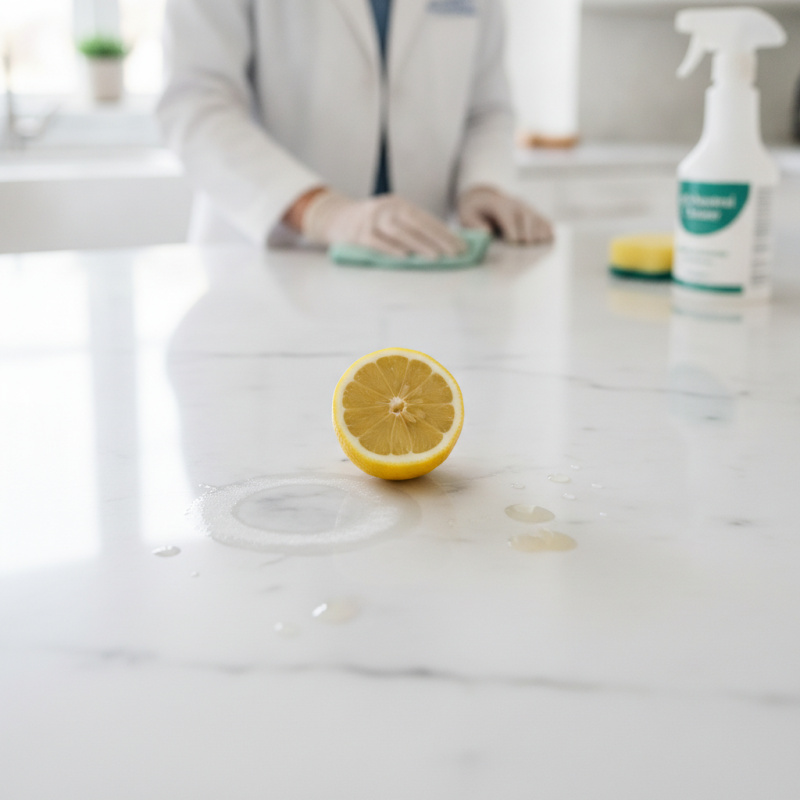
These acidic interactions can cause etching, dulling the marble’s shine and altering its appearance. Many homeowners overlook the risks posed by everyday items. A simple lemon slice on the countertop can lead to costly repairs. The urgency for protection cannot be underestimated.

Applying sealants is one effective strategy. However, the correct application method is vital for lasting results. Regular maintenance also plays a critical role in marble care. Using pH-neutral cleaners helps to mitigate damage. With awareness and proactive measures, marble can remain stunning for years. It’s vital to foster this understanding to maintain your marble surfaces effectively.
How to Keep Marble Safe from Lemon Juice and Acid Damage?

Understanding the Vulnerability of Marble to Lemon Juice and Acids

Marble is a beautiful natural stone, commonly used in homes and businesses. However, it is highly vulnerable to damage from lemon juice and other acids. When these substances come into contact with marble, a chemical reaction occurs. This reaction can dull the surface and cause etching, which diminishes the stone's elegant appearance.

Research indicates that a pH level below 7 can lead to such damage. Lemon juice has a pH of around 2, making it caustic to marble. Studies from the Stone Conservation Institute reveal that even a brief exposure can result in irreversible harm. Homeowners often overlook this vulnerability, placing lemon-infused drinks or citrus fruit directly on marble surfaces.

Protecting marble involves simple yet effective practices. Always use coasters or trays when serving acidic items. Cleaning the surface immediately after contact with any acidic substance is crucial. If stains or etching occur, professionals suggest polishing techniques for restoration. However, prevention remains the strongest approach. With consistent care and understanding of marble's sensitivity, its beauty can be preserved for years.

Identifying Acidic Substances That Can Damage Marble Surfaces

Acidic substances pose a significant threat to marble surfaces. Common items like lemon juice, vinegar, and soda contain high acidity levels. According to the Marble Institute of America, marble can begin to etch with pH levels below 7. This is alarming given that common kitchen ingredients often fall within this range.

When lemon juice, with a pH of around 2, spills on marble, it can create visible damage. Even a short exposure can result in unsightly stains. Reports have shown that 50% of homeowners unknowingly use cleaning agents that damage marble. This emphasizes the need for awareness and preventive measures.

Understanding these risks is vital. Not everyone realizes that products like tomatoes and even some fruits can harm marble. People frequently overlook these everyday items. By recognizing the extensive list of acidic foods and drinks, homeowners can take proactive steps to protect their surfaces. Regular maintenance, like sealing, can mitigate some damage. However, it is not a foolproof solution. Damage may still occur, making it crucial to keep a vigilant eye on marble surfaces.

Preventive Measures to Protect Marble from Acidic Exposure

Marble surfaces are breathtaking, but they are vulnerable to acidic substances. Lemon juice is a common risk. It can etch the surface, leading to dullness. Protecting marble requires awareness and care.

One effective measure is using coasters. Placing coasters under drinks helps prevent spills. Even a few drops can cause damage. Regular cleaning is also vital. Use a soft cloth and pH-neutral cleaner. This avoids introducing more acids to the marble.

Sealers can be a helpful barrier. Applying a high-quality stone sealer creates a protective layer. It is worth noting that sealers need reapplication over time. Regular check-ups can ensure the marble remains well-protected. Consider minimizing direct contact with acidic items. Every small step counts in preserving marble’s elegance.

Cleaning Techniques for Marble After Acid Contact

Marble is a beautiful and elegant material, but it requires special care, especially after it comes into contact with acidic substances like lemon juice. When acid touches marble, it can etch and dull its surface. Immediate action is essential to prevent permanent damage. Start by rinsing the area with water. This helps dilute the acid.

Once rinsed, use a soft cloth or sponge to gently wipe the surface. Avoid any abrasive materials that may scratch the marble further. For stubborn stains, a paste of baking soda and water can be effective. Apply the paste to the stained area and let it sit for a few minutes, then wipe it clean.

Tips: Always test cleaning solutions on a hidden area first. This ensures no additional damage occurs. Regular sealing of marble surfaces can create a protective layer and minimize acid damage risks. Finally, being mindful of your cleaning tools will keep your marble looking its best while reducing the chance of scratches or etches.

Restoration Tips for Damaged Marble Surfaces

Marble surfaces require careful attention, especially when it comes to acidic substances like lemon juice. Damage can manifest as dull spots or etching, ruining the stone's aesthetic. Restoration begins by analyzing the extent of the damage. Simple solutions can effectively improve the appearance of your marble.

For mild etch marks, try using a marble polishing powder. This method can enhance the shine and smoothness of the surface. Apply the powder with a damp cloth, rubbing gently in circular motions. For deeper scratches, consider using a professional-grade stone refinishing kit. These kits often include diamond pads and sealants, providing a more thorough restoration. Always follow the instructions carefully.

To maintain your marble, avoid placing acidic items directly on the surface. Regularly seal your marble to protect against future damage. It's essential to clean spills immediately to prevent prolonged exposure. Even with these precautions, mishaps can occur. Assessing the damage early can help prevent further deterioration. When in doubt, consult a stone care expert for the best advice tailored to your marble's specific needs.

Impact of Different Acids on Marble Surface Damage

FAQS

: Why is marble vulnerable to lemon juice?

: Marble is vulnerable due to a chemical reaction that occurs when acids come into contact with it.

What pH level is harmful to marble?

A pH level below 7 can harm marble. Lemon juice has a pH of around 2.

How can I protect my marble surfaces?

Use coasters or trays when serving acidic items to avoid direct contact with marble.

What should I do if marble gets damaged?

Assess the damage and try marble polishing powder for mild etching to improve its appearance.

How can I restore deeper scratches on marble?

Use a professional-grade stone refinishing kit with diamond pads for thorough restoration.

How can I maintain my marble surfaces?

Regularly seal your marble and clean spills immediately to prevent prolonged exposure to acids.

Can I remove etching from marble myself?

Yes, mild etches can be improved with polishing powder. However, deeper damage may require professional help.

What if I accidentally spill lemon juice on my marble?

Clean the surface immediately to minimize damage. Delaying action can worsen the etching.

Why is prevention important for marble care?

Prevention avoids irreversible damage, helping to maintain the marble's beauty and polish over time.

Should I consult an expert for marble care?

Yes, consulting a stone care expert provides tailored advice for your marble's specific needs.

Conclusion

Marble is a beautiful but vulnerable material, especially when it comes to exposure to lemon juice and other acidic substances. Understanding how to protect marble from lemon juice and acids is crucial for maintaining its elegance and durability. Acidic substances, including common household items, can cause significant damage to marble surfaces, leading to etching and dullness.

To safeguard marble, it's essential to implement preventive measures such as using coasters, wipes, and sealants that create a protective barrier. In the event of acid contact, prompt cleaning with a pH-neutral solution can help mitigate damage. For deeply affected areas, restoration techniques involving polishing and professional services may be required to restore the marble to its original luster. By following these guidelines, marble owners can effectively protect their surfaces and prolong their beauty.

Mason

Mason

Mason is a seasoned marketing professional with a deep expertise in the company's offerings and a passion for driving brand awareness. With a strong background in digital marketing strategies, he has an innate ability to connect with diverse audiences and effectively communicate product benefits.......