Marble can look cool and glassy, yet a lemon wedge can leave a dull mark within minutes. The reason is chemistry: many marbles contain calcite, a mineral rated 3 on the Mohs hardness scale. The U.S. Geological Survey describes calcite’s reaction with acids; lemon juice can dissolve and roughen its polished surface. This is etching, not simply a stain. Wiping harder will not restore the shine.
How to protect marble from lemon juice and acids starts with small, repeatable habits. Keep citrus, vinegar, wine, and acidic cleaners off the stone. Use a cutting board, place coasters under drinks, and blot spills promptly with a soft cloth. The Natural Stone Institute’s care guidance recommends mild, neutral cleaners for natural stone. Its advice is practical, but no sealer makes marble acid-proof. Stone-restoration expert Fred Hueston is often associated with this concise warning: “Acids etch marble.” Treat it as a useful reminder, not a promise that one product prevents damage. Sealing can reduce liquid absorption; it cannot stop acid from reacting with calcite. Test cleaners in an inconspicuous spot, and follow the stone supplier’s instructions. Small habits matter. A lemon half left beside the sink may seem harmless; on polished marble, it can leave a permanent-looking dull patch. If etching appears, cleaning alone may not fix it. A qualified stone professional can assess whether honing or polishing is appropriate.
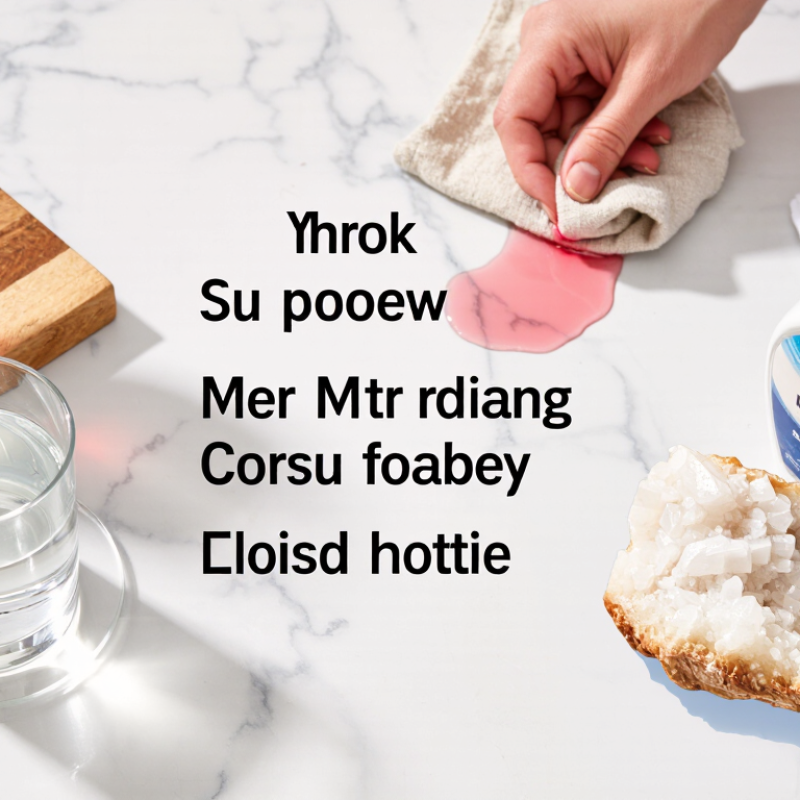
Lemon juice does not merely stain marble. Its acidity reacts with calcite, the main mineral in many marbles, and can dissolve a tiny amount of the polished surface. The Natural Stone Institute’s Dimension Stone Design Manual identifies calcite-rich marble as acid-sensitive; calcite measures 3 on the Mohs hardness scale. Lemon juice is typically around pH 2–3, so even a small splash can leave a pale, dull patch. The mark is an etch, not dirt.
The damage often appears as a ring beneath a glass or a cloudy streak beside a cutting board. Wiping removes the juice, but it cannot restore the lost polish. A quick scrub may make the area look worse by spreading residue or adding fine scratches. That distinction is easy to miss. Acid exposure can also vary with the stone’s finish, sealant, and contact time, so a single care rule will not fit every slab. I would treat any acidic spill as urgent: blot it, rinse with clean water, and dry with a soft cloth. Avoid vinegar, citrus cleaners, and abrasive pads. The honest limitation is that sealing can slow some staining, but it does not make marble acid-proof.
Marble is calcium-based, so lemon juice, vinegar, wine, and many acidic cleaners can dull its polished surface. The damage may look like a pale ring rather than a colored stain. Keep a cutting board beside the counter, and squeeze citrus over a bowl instead of directly on the stone. Use coasters under glasses, especially during meals.
Small spills are easy to miss. Wipe them promptly with a soft cloth, then rinse the spot with clean water and dry it. Blot rather than scrub; abrasive pads can leave scratches that catch the light. A tray near the sink can hold vinegar, citrus, and other acidic ingredients, reducing accidental drips. Marble sealer may slow absorption, but it cannot prevent acid etching. That distinction is easy to overlook.
Choose a cleaner labeled safe for natural stone, and avoid homemade mixtures containing lemon juice or vinegar. If an acidic product touches the surface, remove it gently rather than trying to neutralize it with another household chemical. Test new cleaning methods on a hidden area first. Even careful routines are imperfect: a wet glass can sit unnoticed, so check high-use surfaces during ordinary cleanup.
How to reduce marble’s exposure to acidic substances
Typical pH values are approximate and can vary by product. Marble contains calcite, which can be etched by acids; lower-pH substances are more acidic. Wipe up spills promptly, blot rather than rub, and clean with a pH-neutral cleaner suitable for natural stone. pH alone does not determine the amount of damage.
When lemon juice lands on marble, act before it dries. Marble contains calcite, which reacts with acids and can develop a dull mark. Press a soft, absorbent cloth onto the spill and lift it straight up. Do not scrub; rubbing can spread the juice or drag grit across the surface. Pick up any pulp with the cloth, then use a clean cloth dampened with lukewarm water. Work from the spill’s edge toward its center, rinsing the cloth often. Use small amounts of water, especially near seams, and avoid flooding the area. Blot dry with a microfiber towel.
Check the spot in good light. If it still feels sticky, repeat the gentle rinse with fresh water. A pH-neutral cleaner labeled for natural stone may help with residue; follow its directions. Avoid vinegar, citrus cleaners, abrasive pads, and improvised chemical mixtures. It is easy to assume that more scrubbing will fix a mark. It usually will not. A pale, dull patch may be etching rather than leftover juice, and rinsing cannot restore the polished finish. Let the surface dry before judging it; if the mark remains, ask a stone-care professional about repair.
Lemon juice can leave a pale, dull patch on marble. That change is usually etching, not a stain: acid has altered the stone’s surface. Wipe up the spill promptly with a soft cloth and pH-neutral stone cleaner, then dry the area. Look closely in angled light. Etching often appears matte, while a stain may change the stone’s color.
For a faint etch on polished marble, use a polishing powder made specifically for marble, following its directions and testing a hidden spot first. Work gently with a damp, soft cloth; aggressive rubbing can create a larger dull area. Go slowly. Honed marble has a naturally softer sheen, so polishing it to a glossy finish may leave an obvious mismatch. Avoid vinegar, abrasive pads, and general-purpose cleaners that may contain acids.
Deep marks, broad dull patches, or uneven finishes are best assessed by a stone-care professional. Restoring them can involve honing and repolishing the surface, not simply cleaning it. The frustrating part is that a small repair may catch the light differently from the surrounding stone. If the test area looks worse, stop rather than keep experimenting. I would also check whether the mark is truly an etch before treating it; moisture or residue can make the surface look deceptively cloudy.
| Substance or Situation | Typical Acidity or Risk | Immediate Response | Prevention | If Etching Occurs |
|---|---|---|---|---|
| Lemon or lime juice | Citrus juice is acidic; its pH commonly falls around 2–3. Contact can dull or roughen calcium-carbonate marble. | Blot promptly. Rinse the area with clean water, then dry with a soft cloth. Do not scrub. | Use a cutting board and coasters. Keep citrus and acidic dressings away from unprotected marble. | For a small etch, use a marble polishing product only if it is suitable for the stone and finish. Deeper or widespread damage may need professional honing and repolishing. |
| Vinegar and acidic cleaners | Household vinegar is acidic, often around pH 2–3. Many descalers and bathroom cleaners are also acidic. | Remove the product without spreading it, rinse thoroughly with water, and dry. Follow the cleaner label if it specifies additional safety steps. | Check product labels before use. Choose a pH-neutral cleaner specifically labeled as safe for natural stone. | Cleaning can remove residue but cannot reverse stone dissolved by acid. Assess the surface after it is dry; arrange refinishing if the dull spot remains. |
| Wine, soft drinks, and fruit juice | Acidity varies by drink and formulation. Some beverages can etch marble, while pigments may also leave a separate stain. | Blot immediately with a clean, absorbent cloth. Rinse with water and dry; avoid wiping outward across a larger area. | Use coasters and wipe spills promptly. Avoid leaving glasses, cans, or juice containers directly on the stone. | First distinguish a dull, rough etch from a colored stain. Etching generally requires surface refinishing; stain treatment depends on the staining material and stone. |
| Tomato, vinegar-based, or citrus foods | Acidic ingredients can etch marble; food colorants and oils may also stain, so more than one type of damage is possible. | Lift solids gently, blot liquids, then rinse with clean water and dry the surface. | Prepare food on a cutting board and use trays or placemats for serving dishes. | Do not use an abrasive pad to remove a dull mark. A stone-care professional can determine whether cleaning, stain treatment, or honing is needed. |
| Toothpaste, cosmetics, or toiletries | Formulas differ; some contain acids or abrasive ingredients that can damage or dull certain marble finishes. | Wipe away residue gently, rinse with water, and dry. Test any cleaning product on an inconspicuous area first. | Store toiletries on a tray, and keep product bottles from sitting on the marble when wet or leaking. | If the mark remains after gentle cleaning and drying, it may be an etch or finish change rather than surface residue. |
| Routine daily care | Dust, grit, and residue can scratch or dull the finish; acidic products increase the risk of etching. | Use a soft cloth and a pH-neutral natural-stone cleaner. Rinse if directed by the cleaner label and dry to reduce water marks. | Use coasters, mats, and trivets. Sweep or dust regularly, and avoid vinegar, lemon, bleach, and abrasive scouring powders. | Sealers can reduce absorption and help resist some stains, but they do not make marble acid-proof or prevent etching. |
| Restoring a dull or rough spot | An etch is a change to the marble surface caused by acid; it is not simply dirt sitting on top of the stone. | Clean gently with a stone-safe, pH-neutral product and let the area dry before judging the finish. | Confirm that any polishing or sealing product is compatible with the specific marble and whether its finish is polished or honed. | Minor etches on some polished marble may respond to a compatible marble polishing product used exactly as directed. Honed finishes, deep etches, and large areas often require professional refinishing. |
Important: Marble is a calcium-carbonate stone and can react with acids. Typical pH values vary by product and concentration. Test care products in a discreet spot, and consult a qualified stone-care professional for valuable, deeply etched, or uncertain surfaces.
Marble care is less about making stone invincible and more about limiting avoidable wear. Lemon juice, vinegar, and many acidic cleaners can dull the surface by reacting with calcium carbonate. A sealer may slow liquid absorption, but it cannot prevent acid etching. Keep a soft cloth nearby, especially around kitchens and bathroom sinks. Blot spills promptly; wiping can spread juice across a wider area.
For routine cleaning, use warm water and a pH-neutral stone cleaner with a clean microfiber cloth. Rinse away residue and dry the surface to reduce water marks. Skip vinegar, citrus-based sprays, scouring powders, and rough pads. They can leave dull patches or fine scratches. Test any unfamiliar cleaner on a hidden spot first. Small habits matter. Even careful routines miss a spill sometimes.
Sealing schedules depend on the marble, its finish, and how heavily the surface is used. Follow the sealer directions, and check whether water darkens an inconspicuous area; that can suggest the stone needs attention, though it is not a perfect test. Avoid sealing over dirt or moisture. A yearly inspection is useful, but not a rule for every home. If an acid spot remains dull after cleaning, a stone-care professional can assess whether polishing is needed. Some marks are not stains.
Lemon juice, vinegar, wine, and acidic cleaners can dull marble’s calcium-based surface. The mark may look pale and matte, not like a colored stain.
Blot it promptly with a soft cloth. Rinse with clean water and dry the area. Don’t scrub.
Sealer may slow liquid absorption, but it cannot stop acid etching. That distinction is easy to forget.
Use warm water or a pH-neutral cleaner made for natural stone. Wipe with a clean microfiber cloth, rinse away residue, and dry the surface.
Keep a cutting board beside the counter, and squeeze citrus over a bowl. A small tray can hold vinegar and other acidic ingredients near the sink.
A marble-specific polishing powder may help with a faint etch on polished marble. Follow its directions, test a hidden spot, and work gently with a damp, soft cloth.
Not always. Honed marble has a softer sheen, and polishing may create a glossy patch that stands out. Check a hidden area first.
Ask for an assessment if marks are deep, broad, or uneven. Restoration may involve honing and repolishing, and the repaired spot may catch light differently.
It depends on the stone, finish, and use. Follow the sealer directions; a yearly inspection can help, but it is not a rule for every home.
Etching often looks matte in angled light, while a stain may change the stone’s color. Moisture or residue can confuse the picture, so check before treating it.
How to protect marble from lemon juice and acids begins with understanding that marble is a porous, calcium-based stone. Lemon juice, vinegar, and other acidic substances can react with its surface, leaving dull spots or rough marks known as etching. Reduce the risk by using coasters, cutting boards, and trays, and avoid placing acidic foods or cleaners directly on marble. Choose a cleaner suitable for natural stone and follow its directions.
If a spill occurs, gently blot it with a soft cloth rather than wiping it across the surface, then rinse the area with clean water and dry it thoroughly. Avoid abrasive pads and harsh chemicals, which may worsen damage. Minor etching may require careful polishing with a marble-specific product, while deeper marks may need professional refinishing. For long-term protection, clean spills promptly, use gentle maintenance habits, and periodically check whether the stone needs resealing. These steps help preserve marble’s appearance and reduce the chance of lasting acid damage.

Gem Marble