Pros and Cons of Using Marble in Bathrooms for 2026

Time:2026-05-22 Author:Sophia
0%

When considering bathroom design, marble emerges as a classic choice. Yet, many ask, "What are the pros and cons of marble in bathrooms?" Expert interior designer, Sarah Adams, notes, "Marble adds timeless elegance but requires careful consideration of its upkeep." This highlights the dual nature of marble's appeal.

On one hand, marble is undeniably beautiful. Its unique veining and luxurious look enhance any bathroom. Many homeowners appreciate the innate elegance it brings. However, its porous nature poses challenges. Stains can occur easily if spills are not cleaned promptly. Additionally, marble can be slippery when wet, raising safety concerns.

Cost is another factor to reflect upon. Marble tends to be more expensive than other materials. While it offers long-lasting beauty, one must weigh this against the maintenance involved. Regular sealing and proper cleaning are vital to preserving its appeal. Ultimately, understanding "What are the pros and cons of marble in bathrooms" is essential for informed decision-making. Marble may be attractive, but it also demands reflection on practicality and care.
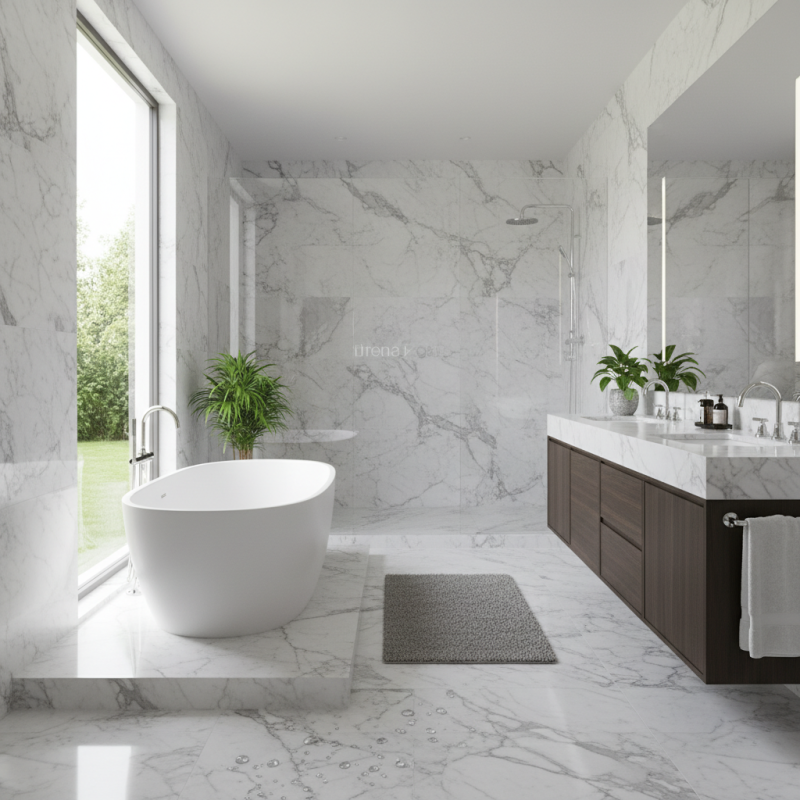
Pros and Cons of Using Marble in Bathrooms for 2026

Advantages of Using Marble in Bathrooms: Aesthetic Appeal and Luxury

Marble is a timeless choice for bathroom design. Its unique veining and color variations contribute to its aesthetic appeal. According to a report from the National Kitchen and Bath Association, nearly 60% of homeowners prioritize aesthetics when choosing bathroom materials. Marble exudes luxury, making spaces feel elegant and inviting.

However, marble requires careful maintenance. Its porous nature can lead to stains if not sealed properly. A study by the American Society of Interior Designers reveals that 28% of homeowners are unaware of the upkeep marble needs. While the beauty is undeniable, it demands a commitment. The initial allure could lead to frustration if the proper care isn't taken.

In recent years, the demand for marble in bathrooms has increased. Market research from Statista indicates that the natural stone market is projected to grow by 4.9% annually through 2026. This surge reflects a growing appreciation for high-end materials. Yet, the practical considerations cannot be overlooked. Many homeowners face challenges that could dampen their initial excitement.

Pros and Cons of Using Marble in Bathrooms for 2026

Aspect Details
Aesthetic Appeal Marble offers a timeless beauty and elegance, enhancing the overall look of a bathroom.
Luxury Feel Creates a high-end appearance and adds a feeling of luxury and sophistication.
Durability When properly maintained, marble can last a lifetime, making it a solid long-term investment.
Cool Surface Marble stays cool, which can be comfortable in hot climates or during warm seasons.
Maintenance Challenges Requires regular sealing and careful cleaning to prevent staining and etching.
Cost Marble can be expensive compared to other materials, which may limit options for some homeowners.
Weight Heavier than other materials, which can complicate installation and structural considerations.

Durability of Marble: Longevity and Resistance to Wear Over Time

When considering marble for bathrooms, its durability is a critical factor. According to a report by the Building Stone Institute, marble can last over 100 years with proper maintenance. Its resistance to wear makes it an appealing choice for high-traffic areas. However, even with this longevity, marble is susceptible to scratching and chipping. Regular sealing is necessary to prevent stains from acidic liquids, which can compromise its beauty.

The longevity of marble is underpinned by its dense structure. This natural stone resists moisture and doesn't easily warp. Yet, users should be aware that extreme temperature fluctuations can lead to cracking. Maintaining a consistent environment can help mitigate this risk. A study by the Natural Stone Institute indicates that properly maintained marble surfaces retain their finish longer than those of other materials.

A notable concern is the weight of marble. It can add significant pressure on bathroom structures. While this stone imparts elegance, the installation requires experienced professionals. An improper setup might lead to issues down the line. Thus, thorough planning and careful selection should precede any renovation involving marble.

Maintenance Considerations: Cleaning and Upkeep for Marble Surfaces

When considering marble for bathroom surfaces, maintenance is paramount. Marble is beautiful, but it requires diligence. Regular cleaning is essential to prevent stains. Using pH-neutral cleaners is advisable. Harsh chemicals can damage the marble's natural finish. Microfiber cloths are ideal for daily wipe-downs; they pick up dirt without scratching the surface.

Water spots can be a significant issue. To combat this, dry surfaces after each use. Grout lines may also require attention, as they can harbor mold. Sealing your marble can help. It creates a barrier against moisture and stains. However, sealing is not permanent; you must repeat this process every six months to a year.

Faded areas may occur over time. Regular polishing can bring back the shine. Yet, it can be challenging to find the right products. Some could leave streaks or residue. Always test new products in a small area first. Maintaining marble surfaces is an ongoing effort, requiring care and commitment.

Cost Factors: Analyzing the Financial Investment in Marble Bathrooms

When considering a marble bathroom, cost is a crucial aspect. Marble is often viewed as a luxury material, but it comes with a price. On average, installing marble can range from $50 to $150 per square foot, depending on quality and complexity. This investment may stretch budgets. Homeowners should weigh the financial implications carefully.

Maintenance is another factor that impacts overall costs. Marble requires regular sealing to prevent stains and etching. This can lead to additional expenses over time. Many underestimate the need for upkeep, which can become burdensome. Choosing a less porous stone may be a smarter long-term investment.

Finally, consider installation costs. Hiring skilled labor to install marble is essential for a lasting look. Unforeseen issues during installation can drive up expenses, leading to financial strain. A thorough plan can help manage costs effectively, but there are risks involved. The allure of marble holds great appeal, yet its costs require honest reflection.

Environmental Impact: Sustainability Aspects of Marble Sourcing and Use

Marble is often viewed as a luxurious choice for bathroom design. However, its environmental impact raises concerns. Sourcing marble can lead to significant habitat disruption. Over 50% of marble blocks are extracted from vulnerable regions. This leads to soil erosion and biodiversity loss.

The process of quarrying marble is energy-intensive. A report from the Natural Stone Institute highlights that extraction can consume over 280 kilowatt-hours per ton. This is a substantial amount considering the global push for energy conservation. Additionally, marble is not universally sustainable. Some quarries use processes that harm the surrounding environment.

Recycling options for marble are limited. Though some manufacturers are exploring reused materials, the availability remains scarce. According to industry studies, only about 25% of quarried marble is repurposed. This raises questions about the long-term sustainability of using marble in bathroom spaces. As we move towards 2026, these factors should influence decisions in design and material selection.

Environmental Impact of Marble in Bathrooms: Sustainability Aspects in 2026

This chart illustrates the pros and cons of using marble in bathrooms, focusing on various dimensions such as sustainability, environmental impact, and resource consumption.

FAQS

: Why is marble considered a popular choice for bathroom design?

: Marble is popular due to its unique veining and luxurious aesthetic appeal.

What maintenance issues should homeowners expect with marble?

Marble is porous and can stain easily if not sealed properly. Regular upkeep is essential.

How long can marble last in bathrooms?

With proper care, marble can last over 100 years and resist wear in high-traffic areas.

What can negatively affect the durability of marble?

Extreme temperature changes can cause cracking, and scratching or chipping can occur without regular sealing.

Is marble environmentally sustainable?

Marble extraction can disrupt habitats and cause biodiversity loss. It's not universally sustainable.

What is the energy consumption related to marble quarrying?

Quarrying marble can consume over 280 kilowatt-hours per ton, impacting energy conservation efforts.

Are there recycling options available for marble?

Recycling options are limited, with only about 25% of quarried marble being repurposed effectively.

What are some challenges of installing marble in bathrooms?

Marble's weight requires careful installation. Poor setup can lead to structural issues later on.

Can all homeowners handle marble maintenance easily?

Many homeowners struggle with marble upkeep; around 28% are unaware of its maintenance needs.

What should homeowners consider before choosing marble?

Consider both aesthetic appeal and the commitment to necessary maintenance and potential environmental impact.

Conclusion

When considering the use of marble in bathrooms, one may wonder, "What are the pros and cons of marble in bathrooms?" The benefits of marble include its striking aesthetic appeal, which adds a touch of luxury to any space, and its durability, as marble is resistant to wear and can last for many years. However, while marble enhances a bathroom's look, it requires regular cleaning and maintenance to preserve its beauty, which can be a downside for some homeowners.

Additionally, the financial investment of installing marble surfaces can be significant, making it essential to analyze cost factors before making a decision. Finally, while marble is a natural stone, its sourcing can raise sustainability concerns, prompting potential buyers to consider the environmental impact of their choice. Overall, weighing these advantages and drawbacks is crucial for anyone contemplating marble in their bathroom for 2026.

Sophia

Sophia

Sophia is a dedicated marketing professional with an exceptional depth of knowledge about her company's products and services. With a keen understanding of market trends and customer needs, she crafts insightful blog posts that not only inform but also engage readers, enriching the company’s online......