Marble surfaces can radiate elegance when properly polished. "How to polish marble by hand" is an art that requires both skill and precision. Michael Donovan, a renowned marble restoration expert, says, "The beauty of marble lies in its natural shine, which can be revived with patience."
Hand polishing marble is a meticulous process. Start with the right tools: fine-grit sandpaper and marble polishing powder. Use gentle strokes. Rushing can damage the surface. Ensure your workspace is clean. Any dirt can leave scratches. Following this method provides a smooth, glossy finish.
Remember, perfection is a goal, but it takes practice. Each attempt may reveal imperfections. Reflect on your technique and learn. Embracing the journey of "How to polish marble by hand" enhances both the stone’s beauty and your skills.
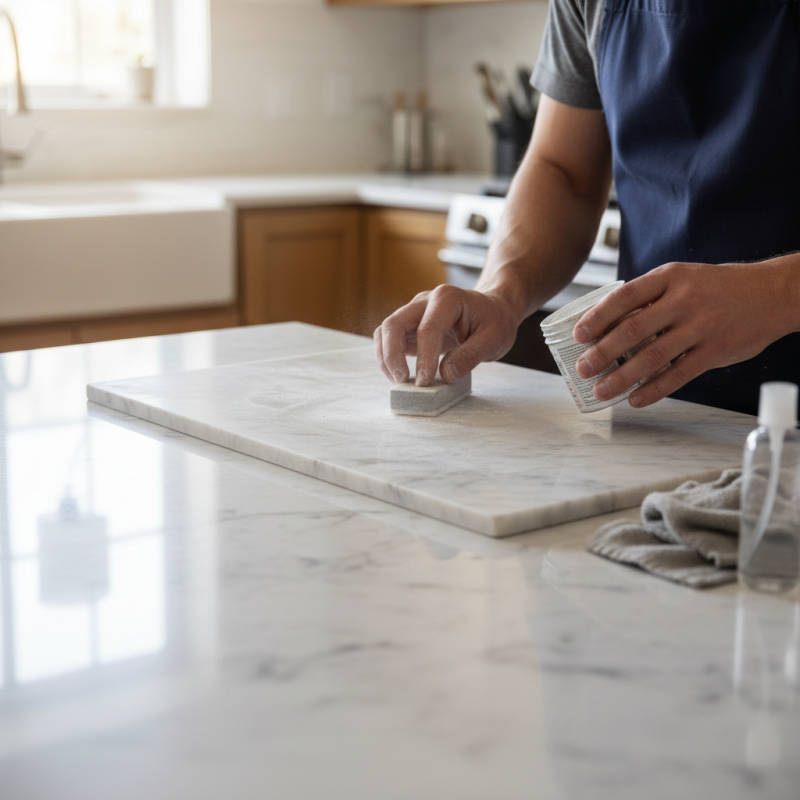
Marble is a natural stone that has captivated many with its beauty and durability. It consists primarily of calcium carbonate, giving it unique properties. Studies show that marble can vary significantly in hardness, typically ranging from 3 to 5 on the Mohs scale. This variation affects both its appearance and how easily it can be polished. Thus, understanding its composition is key to achieving the desired shine.
Tips: Always check the hardness of your marble before polishing. Softer stones can scratch easily during the process.
When polishing marble by hand, utilize fine-grit sandpaper or diamond pads. Water helps reduce friction and prevents dust. Marble can absorb liquids, making it crucial to avoid harsh chemicals. Delicate care is required as improper techniques can lead to uneven surfaces or etching. A study by the Natural Stone Institute suggests that regular maintenance is essential; it extends marble's life and preserves its shine.
Tips: Clean your marble regularly to avoid stains. Use pH-balanced cleaners for the best results.
Polishing requires patience. Even small imperfections may impact the aesthetic. Thus, spend time assessing the marble's initial condition. Remember, each marble slab tells a story, making every polishing journey unique.
Polishing marble by hand requires specific tools and materials to achieve a smooth, glossy finish. You'll need a few essential items to start the process. The primary tools include diamond pads or abrasive pads in varying grits, starting with lower grits for initial polishing. A soft cloth for buffing is crucial. Water helps keep the surface moist during the polishing stages.
Consider a spray bottle for easy water application. In addition to pads, a sturdy hand buffer can make tasks easier. You might want a bucket for rinsing off debris. Safety goggles are essential to protect your eyes from particles. Wearing a dust mask is wise to avoid inhaling dust.
Remember, the polishing process may not yield perfect results on the first try. It can be tempting to rush, but patience is required. If streaks remain, revisit the area with a finer grit pad. Pay attention to uneven spots. Each pass reveals different imperfections. Regular reflection on your technique will help improve your skills significantly.
Polishing marble by hand can restore its beauty and shine. Start by gathering your tools. You'll need fine-grit sandpaper, a diamond polishing pad, and a bowl of water. Make sure your workspace is clean to avoid scratches. Moisture is key here; never dry sand.
Begin with the sandpaper. Dampen the marble surface with water. Use small, circular motions to sand the area. Work on one spot at a time, and maintain even pressure. This process requires patience, as rushing can lead to uneven surfaces. Remember to frequently check your progress.
After sanding, switch to the diamond pad. This step enhances the shine. Keep the surface wet while polishing. Apply light pressure for the best results. Don’t expect perfection on the first try; it may take several sessions to achieve a smooth finish. It’s important to assess your work as you go. Refine your technique as necessary. Polishing marble is rewarding, but it demands attention and care.
| Step | Materials Needed | Instructions | Tips |
|---|---|---|---|
| 1 | Soap, Water, Soft Cloth | Clean the marble surface thoroughly with a mixture of soap and water. | Always use a soft cloth to prevent scratches. |
| 2 | Fine Grit Sandpaper | Gently sand the surface in a circular motion to remove any imperfections. | Keep the surface wet to avoid dust. |
| 3 | Polishing Powder | Apply polishing powder with a damp cloth and buff the surface. | Use circular motions for even application. |
| 4 | Wax (Optional) | Apply a thin layer of wax for extra shine. | Buff it off with a dry cloth for a smooth finish. |
When polishing marble by hand, there are common mistakes to avoid. Many people underestimate the importance of cleaning the surface. Dust and dirt can scratch the marble while polishing. Take time to thoroughly clean the area before you start. Use a gentle, effective cleaner, and dry the surface completely.
Another frequent mistake is using the wrong type of grit. It’s tempting to start with a coarse grit for quick results. However, this can lead to irreversible damage. Always begin with a fine grit and gradually move to a coarser one. It’s a slower process, but it yields better results.
Additionally, neglecting the right technique can hinder your progress. Apply even pressure while polishing. Too much pressure can cause uneven patches. Keep your movements consistent. If you skip steps or rush through, you might regret the outcome. Failing to take breaks can also lead to fatigue, resulting in a less polished finish. Focus on each section meticulously, and embrace the process.
Maintaining a long-lasting shine on marble surfaces requires regular care and attention. Start by using a soft cloth for daily cleaning. Avoid harsh chemicals that can dull the finish. Instead, opt for a mixture of warm water and mild dish soap. This protects the natural luster while ensuring hygiene. Rinse thoroughly to eliminate any soap residue that may cause streaks.
Sealing marble is essential for longevity. A good quality stone sealer can prevent stains and enhance the shine. Aim to reapply the sealer every six months or sooner if you notice a change in texture. Additionally, be cautious with acidic substances like lemon juice or vinegar. These can etch the surface, leading to unrepairable damage.
Polishing marble by hand is a meticulous task. Use a fine-grit polishing pad to smooth the surface. Work gently to avoid scratches. However, polishing can be tricky; it's easy to miss spots or over-polish certain areas, leading to an uneven sheen. Consider learning from mistakes. Document what works and what doesn’t. This iterative process fosters a deeper understanding of your marble's needs. With thoughtful care and technique, your marble can retain its beauty for years to come.
: Marble consists mainly of calcium carbonate, which gives it unique properties.
Marble's hardness varies, typically ranging from 3 to 5 on the Mohs scale.
Polishing enhances marble's appearance and prolongs its lifespan; regular maintenance is essential.
You need fine-grit sandpaper, a diamond polishing pad, and water for polishing.
Always clean the marble surface thoroughly before polishing; dust can cause scratches.
Apply light, even pressure to avoid creating uneven surfaces during polishing.
Yes, even small imperfections can impact the aesthetic; assess the marble’s condition first.
No, rushing can lead to uneven surfaces; take your time and be patient.
Regular cleaning prevents stains; use pH-balanced cleaners for optimal results.
No, achieving a smooth finish may take several sessions; assess and refine your technique each time.
Polishing marble by hand can yield beautiful, smooth surfaces that enhance any space. Understanding the properties of marble is crucial, as it is a porous material that requires careful handling. To effectively learn how to polish marble by hand, one must gather essential tools such as diamond polishing pads, a marble polishing compound, and water for lubrication. The process involves cleaning the surface, starting with coarser pads to remove scratches, and gradually using finer pads to achieve a high shine.
While polishing, it's important to avoid common mistakes like applying too much pressure or using incompatible materials, which can damage the stone. Finally, maintaining that long-lasting shine involves regular cleaning with pH-neutral products and periodic polishing to keep the marble looking its best. By following these guidelines, anyone can successfully master the art of polishing marble by hand.

Gem Marble