Marble is a timeless choice for many homeowners and designers. However, a crucial question arises: "Why is marble porous and what does it mean?" Understanding marble's porosity is essential for making informed purchasing decisions. This characteristic can significantly impact its durability and maintenance.
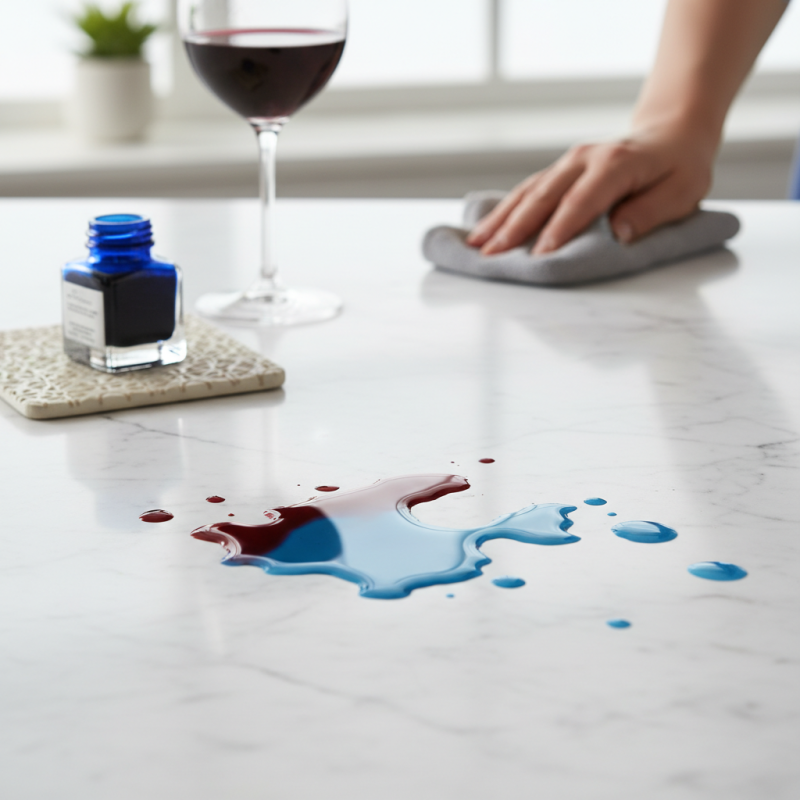
Marble, a natural stone, is formed through geological processes that leave small spaces within its structure. These spaces can absorb liquids and stains, making the stone vulnerable if not properly sealed. Buyers often overlook this fact, assuming marble is purely decorative. In reality, its porosity requires careful consideration regarding cleaning and upkeep.
Choosing marble involves weighing its beauty against its practical challenges. Without appropriate sealing methods, marble surfaces can become damaged over time. Buyers must reflect on their lifestyle and use of the stone. Is your home prone to spills? Understanding the implications of marble's porosity can lead to better choices and satisfaction in the long run.
The Geological Formation of Marble and Its Porosity
Marble is formed through a geological process that begins with limestone. Over millions of years, heat and pressure cause limestone to transform into marble. This metamorphic process results in a dense and crystalline structure. The minerals within marble often contain tiny voids and fissures, which create its porous nature.
This porosity can be both a blessing and a curse for buyers. On one hand, it allows marble to be lightweight and eases its handling during installation. However, this characteristic also means that marble is susceptible to staining. Liquids can infiltrate these pores, leading to discoloration and damage over time. Buyers should be aware of this vulnerability and consider sealing options.
Before purchasing, it’s essential to examine various marble samples. Not all marble is equally porous; some varieties have tighter structures. Understanding these differences can help guide your selection process. While the allure of marble is undeniable, the buyer must weigh its beauty against the practical implications of porosity. Consider your lifestyle and environment, as these factors will impact your marble's longevity and appearance.
Understanding the Structure of Marble: Composition and Grain Size
Marble is a natural stone that captivates many with its beauty. However, understanding its composition is key for potential buyers. Marble primarily consists of calcite, dolomite, or a combination of both. These minerals determine the stone's structure and its aesthetic appeal. The grain size also plays a significant role. Fine grains indicate more durability, while coarser grains can lead to increased porosity.
Porosity in marble affects both its appearance and functionality. A porous stone can absorb liquids, making it vulnerable to stains. This characteristic should raise concerns for homeowners. If spills occur, immediate action is necessary to prevent permanent damage. Many buyers overlook this detail, which can lead to regret later. Regular sealing can help protect marble, but it requires ongoing attention.
Some may wonder if the beauty of marble outweighs its practical challenges. The stunning patterns can capture attention, yet the porous nature presents risks. Buyers must weigh these factors carefully. Ultimately, knowing marble’s structure and porosity helps buyers make informed decisions. The right choice ensures that the elegance of marble does not come with unforeseen drawbacks.
Porosity of Different Types of Marble
This chart illustrates the porosity levels of various types of marble. Understanding the porosity of marble is crucial for buyers as it affects the stone's durability, maintenance needs, and suitability for different applications.
Impact of Porosity on Marble Durability and Aesthetics
Marble is a stunning natural stone, known for its beauty and elegance. However, it is also porous, which influences its durability and aesthetics significantly. Porosity allows marble to absorb water and stains. According to the Marble Institute of America, marble can have a water absorption rate of up to 1%, making it susceptible to damage.
When selecting marble, understanding its porosity is crucial. High porosity can lead to issues like staining and cracking. For example, cleaning products can seep into the stone, causing discoloration. These risks can impact the overall look and longevity of your investment. Therefore, sealed marble is often recommended. Sealing can dramatically reduce porosity, providing a protective layer against spills and stains.
**Tip:** Regularly reseal your marble surfaces every six to twelve months, depending on usage. This practice helps maintain its appearance and prevents damage. Keep in mind that no surface is entirely impervious, and proper care is essential.
The aesthetic appeal of marble lies not just in its color and veining, but also in its finish. A polished surface might be more susceptible to scratching, while honed finishes can hide wear better. Balancing aesthetics with practical considerations is vital when choosing marble.
Comparative Analysis: Marble Porosity vs. Other Natural Stones
Marble is known for its beauty and elegance. However, its porous nature can be a concern for homeowners. This porosity distinguishes it from other natural stones like granite and quartzite. Though marble offers a luxurious finish, its ability to absorb liquids can lead to stains. Buyers need to understand this aspect deeply.
Granite, for example, is much less porous. It often resists stains better than marble. Homeowners looking for durability may find granite more suitable. Quartzite, on the other hand, serves as a strong alternative, providing both beauty and resilience. Comparing these stones highlights the careful choices buyers must make.
Marble's appeal comes with challenges. A sealed marble surface can help mitigate its porosity but requires regular maintenance. This brings into question how much care buyers are willing to invest. Will the beauty of marble outweigh the potential risks of stains and upkeep? Ultimately, understanding these differences is crucial for any buyer.
Why is Marble Porous and What Does This Mean for Buyers? - Comparative Analysis: Marble Porosity vs. Other Natural Stones
| Stone Type |
Porosity (%) |
Water Absorption Rate (g/m²/day) |
Durability Score (1-10) |
Common Uses |
| Marble |
0.5 - 3 |
5 - 15 |
7 |
Countertops, Flooring, Sculptures |
| Granite |
0.2 - 1 |
1 - 10 |
9 |
Countertops, Flooring, Monuments |
| Limestone |
5 - 20 |
10 - 30 |
6 |
Building Material, Gravel, Flags |
| Slate |
0.5 - 2 |
2 - 8 |
8 |
Roofing, Flooring, Chalkboards |
| Soapstone |
0.3 - 1.5 |
3 - 12 |
7 |
Countertops, Sinks, Stovetops |
Practical Implications for Buyers: Care, Maintenance, and Selection
Marble is a beautiful material, but its porosity can lead to challenges for buyers. The inherent microscopic holes in marble make it susceptible to staining and damage. When selecting marble for your home, it’s essential to consider these characteristics. Opting for a honed finish rather than polished can reduce the visibility of stains and scratches.
Regular care and maintenance are crucial for preserving marble surfaces. Utilizing a pH-balanced cleaner is recommended for daily cleaning. Avoid acidic substances like lemon juice or vinegar, as they can etch the surface. Sealing marble every six months to a year can provide an added layer of protection, but it’s not a foolproof solution.
When evaluating options, think about the location. High-traffic areas like kitchens and bathrooms may require extra vigilance. A small slip during installation or while cleaning can lead to lasting damage. Make informed choices based on the specific use of each marble piece to enhance its longevity. Such considerations will help ensure that your marble remains a stunning feature in your space.
Conclusion
Marble, a metamorphic rock formed from limestone, exhibits porosity due to its composition and grain size. Understanding "why is marble porous and what does it mean" is crucial for potential buyers, as the porosity can significantly influence both the durability and aesthetic qualities of the stone. The pores in marble can absorb liquids and stains, making careful consideration of care and maintenance essential for preserving its appearance.
In a comparative analysis, marble's porosity is contrasted with other natural stones, highlighting the unique characteristics that may affect buyer decisions. Buyers should also be aware of practical implications such as selecting the right type of marble for their intended use, ensuring proper sealing, and adhering to maintenance routines to safeguard the stone's longevity and beauty. By grasping the nuances of marble's porosity, consumers can make informed choices that align with their design aspirations and lifestyle needs.

 Gem Marble