How to Identify Real Marble at the 2026 Canton Fair?

Time:2026-03-27 Author:Sienna
0%

The 2026 Canton Fair offers a unique opportunity for buyers to explore the world of marble. A significant focus will be on building materials, making it an ideal place to learn "how to tell if marble is real or fake." The marble industry is witnessing substantial growth, driven by a rising demand in construction and interior design. Market research indicates that the global marble market is projected to reach $9 billion by 2025, underscoring the importance of quality materials.

As the fair incorporates AI technology, attendees can efficiently identify genuine marble suppliers. Advanced filtering options highlight vendors with certifications like ISO and CE. However, buyers must still critically evaluate the product quality themselves. While certification is helpful, the true nature of marble is often in its physical attributes, such as texture and pattern.

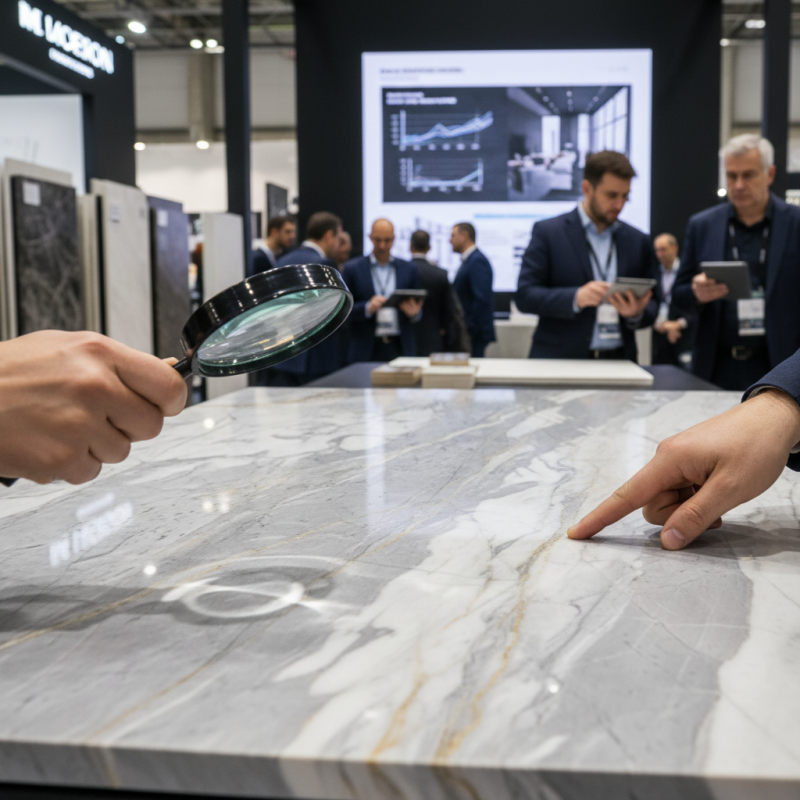
Understanding how to differentiate real marble from imitations is crucial. Fakes can often feel too smooth or have unnatural patterns. Buyers should take time to inspect the samples closely. In an era of rapid advancements in material engineering, even experienced buyers may find themselves misled. Awareness and thorough inspection remain key components in making an informed purchasing decision.
How to Identify Real Marble at the 2026 Canton Fair?

Understanding Marble Types: Natural vs. Synthetic Options

When attending the 2026 Canton Fair, understanding the types of marble is crucial. Natural marble is formed over millions of years. Its beauty is unique due to mineral variations. Each slab bears distinct patterns and colors. This makes natural marble a popular choice for high-end projects. Touching it can reveal its cool surface and heft.

Synthetic marble, on the other hand, offers consistency. It is often a blend of resin and other materials. This allows for a wide range of finishes and colors. However, some synthetic options may lack depth. They can appear artificial under certain lights. Inspecting the edges of synthetic marble can show a smoother texture compared to natural stone.

The visual appeal matters, but practicality should also be considered. Natural marble is porous, making it prone to stains. Cleaning requires special products. Knowing this can prevent future headaches. Conversely, synthetic marble is generally easier to maintain but may not last as long. Reflect on your choices carefully. Each type serves different needs and aesthetic goals.

Visual Inspection Techniques for Identifying Authentic Marble

When you visit the 2026 Canton Fair, identifying real marble can feel daunting. Start with your eyes. Authentic marble has unique veining and color patterns. Look closely; each piece tells a story. Fake marble often lacks these intricate designs. Instead, you might find a uniform appearance. This can be a clear red flag.

Touch is another important factor. Real marble feels cool and smooth. Swipe your fingers across the surface. If it feels gritty or overly polished, it might be synthetic. The weight is a clue too. Authentic marble is heavy. You may notice a slight heft when you lift it.

Aside from visual and tactile cues, consider the lighting. Sometimes, fake marble can look lifelike under certain lights, but real marble shines subtly. Pay attention to how it reflects light. Remember, there’s no perfect method. Trust your instincts and stay curious. Authentic marble has an elegance that can’t be easily replicated.

Analyzing Marble's Texture and Color Patterns

When exploring natural marble at the 2026 Canton Fair, textures and color patterns reveal valuable insights. Real marble exhibits unique veining and swirls, differing from synthetic alternatives. Look closely at the surface; imperfections are often a sign of authenticity. Real marble may have small pits or uneven patches. These may seem like flaws, but they add character.

Color variations in marble indicate its origin. Authentic marble features subtle shifts in hue, often blending whites, grays, and even earthy tones. Be wary of overly uniform colors; they could suggest a resin or polyester product. Unnatural shades can raise red flags. Observe how light plays on the surface; a genuine marble surface reflects light differently than a synthetic one.

Feeling the texture is another essential step. Genuine marble feels cool and smooth under your fingers. It may vary in smoothness in different spots. These nuanced differences can be hard to notice, so take your time. Look for samples that have been polished and unpolished to compare. Marble's inherent beauty lies in its imperfections, so keep an open mind as you make your assessment.

How to Identify Real Marble at the 2026 Canton Fair?

This chart analyzes the texture and color patterns of various types of marble to help identify real marble effectively.

Conducting Simple Tests to Assess Marble Quality

Identifying real marble at the Canton Fair in 2026 can be straightforward if you know what to look for. Conducting simple tests can help assess marble quality effectively. For instance, a basic scratch test can determine its hardness. Real marble typically scores between 3 and 5 on the Mohs scale. If you can easily scratch the surface, it may be a soft imitation.

Another effective method is the water test. Apply a few drops of water on the marble’s surface. Authentic marble will absorb water slowly, while a fake will repel it. According to industry reports, about 25% of the marble products showcased at trade fairs are not genuine. Many buyers feel misled but fail to conduct such tests.

Finally, check the consistency of the veining and color. Real marble features natural variations, while synthetic options often display uniform patterns. The difference can be subtle yet distinct. Observing the details really matters. In the end, understanding these simple tests is essential in ensuring you invest in genuine marble.

How to Identify Real Marble at the 2026 Canton Fair? - Conducting Simple Tests to Assess Marble Quality

Test Method Description Indication of Quality
Visual Inspection Examine for natural veins and patterns. Authentic marble has unique, irregular patterns.
Water Test Drop water on the surface; observe absorption. Real marble absorbs water slower than synthetic options.
Scratch Test Use a knife to scratch the surface lightly. Authentic marble may show minor scratches, unlike artificial marble.
Acid Test Apply a drop of vinegar; look for fizzing. Real marble reacts to acid, indicating calcite presence.
Weight Test Lift a piece to gauge heaviness. Authentic marble is denser and heavier than fake variants.

Consulting Experts and Resources at the Canton Fair

Visiting the Canton Fair offers unique opportunities for buyers to discover authentic marble products. Engaging with industry experts can provide critical insights. Experts often emphasize the importance of visual and tactile assessments. For instance, genuine marble displays a range of colors and veining patterns that synthetic materials lack. According to the Marble Institute of America, around 70% of buyers rely on direct consultation for material authenticity.

At the Canton Fair, resources such as specialized seminars can enhance your understanding. These sessions usually highlight testing methods and characteristic features of real marble. Industry reports indicate that only 30% of attendees utilize available resources during their visit. This is a missed chance for deeper learning. Familiarizing oneself with these tools can clarify doubts and lead to more informed decisions.

Additionally, exploring sample displays at various booths can reveal inconsistencies in the product quality. Not every marble labeled as “real” meets the high standards set by industry norms. The Natural Stone Institute notes that about 50% of faux materials are often misrepresented. Engaging with seasoned professionals and inspecting the product carefully can help buyers avoid pitfalls.

FAQS

: How can I visually assess the authenticity of marble?

: Look for unique veining and color patterns. Authentic marble has distinct designs, while fake marble may appear uniform.

What should I feel for when checking marble?

Touch is crucial. Real marble feels cool and smooth. If it feels gritty or overly polished, it might be synthetic.

How do I assess the weight of marble?

Authentic marble is heavy. You should notice a heft when lifting it. This weight can be an important clue.

What lighting conditions affect marble visibility?

Lighting can impact how marble looks. Real marble shines subtly and reflects light differently than fake marble.

Why is expert consultation important at the Canton Fair?

Experts provide valuable insights into materials. They emphasize the importance of visual and tactile assessments for authenticity.

How can seminars at the Canton Fair help?

Specialized seminars enhance your knowledge on testing methods and product characteristics. Consider attending for deeper learning.

Are all marbles labeled "real" authentic?

No, not every marble meets industry standards. Around 50% of faux materials are often misrepresented, so be cautious.

How can I avoid pitfalls in buying marble?

Engage with professionals and inspect products carefully. Assessing quality upfront can prevent you from making poor decisions.

Conclusion

In the context of the 2026 Canton Fair, understanding how to tell if marble is real or fake is crucial for buyers and enthusiasts alike. This article outlines essential steps to identify authentic marble, beginning with a clear distinction between natural and synthetic options. Visual inspection techniques play a significant role, allowing individuals to assess the stone's color patterns and overall texture, which are key indicators of authenticity.

Additionally, conducting simple tests can help evaluate the quality of the marble, such as checking for acid resistance or weight. Engaging with experts and utilizing available resources at the fair can further enhance one’s ability to make informed decisions. By following these guidelines, attendees will be better equipped to navigate the vast marble offerings at the Canton Fair with confidence.

Sienna

Sienna

Sienna is a skilled marketing professional with a deep expertise in our company’s core products and services. With a passion for innovation and detail, she plays a pivotal role in crafting insightful blog posts that not only highlight the unique features of our offerings but also provide valuable......