How to stop marble from staining is not a matter of applying the thickest sealer available. Marble is a porous, calcium-based stone, and its polished surface can still absorb coffee, oil, wine, or colored cosmetics. A pale Carrara countertop may show a coffee ring within minutes, especially around a sink where water repeatedly carries residue into tiny pores. The Natural Stone Institute’s Dimension Stone Design Manual explains that sealing improves stain resistance, but does not make stone completely stain-proof. That distinction is often missed.
Stone-care expert Fred M. Hueston states, “Natural stone is not maintenance-free.” His warning reflects everyday evidence from kitchens, bathrooms, and hospitality spaces. The U.S. Geological Survey’s Mineral Commodity Summaries also identifies dimension stone as a major construction material, showing why long-term care deserves professional attention. However, broad industry reports rarely measure household staining consistently. That gap matters. Product labels can sound more certain than real conditions justify.
A reliable prevention plan combines accurate identification, suitable sealing, quick cleanup, and gentle maintenance. Test the sealer on an unseen area first. Some products darken marble or leave an uneven sheen. Acidic cleaners can etch the surface, creating dull marks that resemble stains but cannot be removed by ordinary cleaning. This is where many homeowners misjudge the problem. They keep adding chemicals when the marble actually needs polishing or restoration. The following guide explains how to stop marble from staining through practical routines, realistic expectations, and evidence-based stone-care methods. Perfect protection is unlikely. Better habits are achievable.
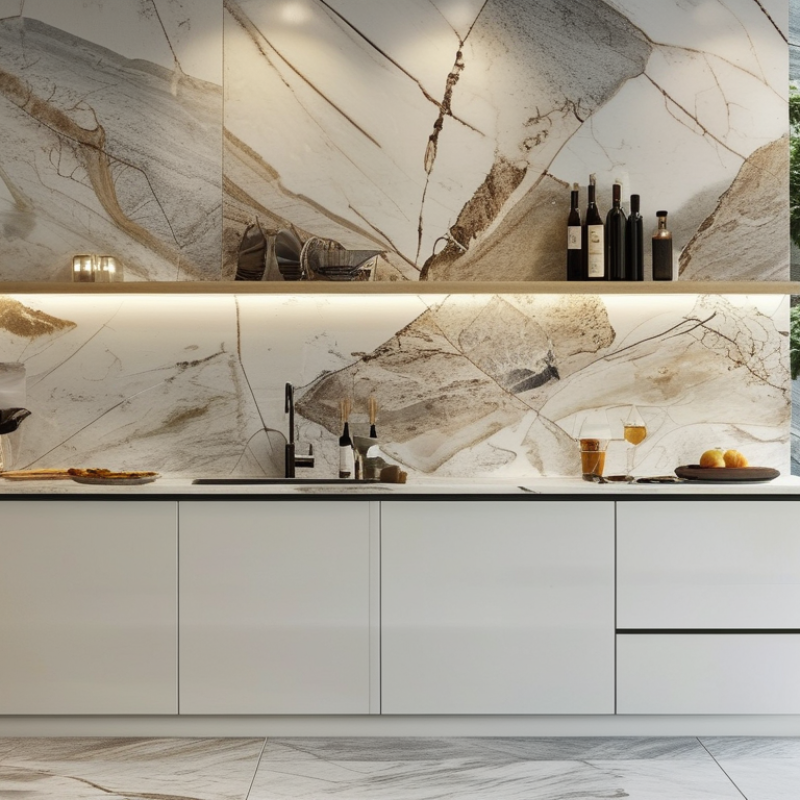
How to Stop Marble from Staining Easily?
Understanding why marble stains easily starts with its structure. Marble is a natural carbonate stone with microscopic pores and mineral veins. These openings can absorb coffee, cooking oil, wine, and colored cosmetics. Published testing data in the Natural Stone Institute’s Dimension Stone Design Manual shows that water absorption varies greatly among natural stones, sometimes from below 0.1% to above 1%. That difference matters. A highly absorbent marble can darken around a spilled cup within minutes.
Acidic liquids create another problem. Lemon juice, vinegar, and some bathroom cleaners may react with calcite. They can leave a dull mark called etching, even when no color enters the stone. ASTM C97/C97M measures absorption and density, but it cannot predict every household stain. Real performance also depends on polishing, installation, moisture, and cleaning habits. I have seen a sealed countertop stain after one neglected spill. The sealer slowed absorption; it did not make the surface waterproof.
Choose a penetrating sealer only after checking the marble’s absorption. Test it on a hidden area first. Wipe spills immediately with a soft cloth and a neutral cleaner. Avoid abrasive powders and acidic sprays. A small unsealed sample can reveal more than a confident sales claim. Even careful maintenance cannot remove marble’s natural vulnerability.
Marble stains rarely come from one mysterious cause. In homes I have inspected, kitchen spills are common offenders. Lemon juice, vinegar, tomato sauce, and wine can enter tiny pores. Their acids may also etch the surface, leaving a pale, dull patch rather than a true stain. It can look like discoloration. It is not always one.
Cooking oil and butter create dark halos around sinks and cooktops. Makeup, hair dye, and colored soaps can leave stronger marks in bathroom marble. Wet metal cans, rusty tools, and flowerpot rings may transfer iron or pigment. Hard water deposits add a chalky film, especially around faucets. Dust mixed with moisture forms gray lines along edges. Small sources matter.
Cleaning mistakes often deepen the problem. Abrasive powders can scratch polished marble, while acidic products may weaken its finish. I once blamed a coffee spill, then found an old, damp cloth underneath. That mistake changed my inspection routine. I now photograph the mark and check what touched it recently. The pattern matters. Still, diagnosis is imperfect; a stain may hide beneath sealer or resemble etching. A trained stone-care professional can test an unseen area and identify the contaminant before treatment. Wipe spills promptly, but avoid aggressive scrubbing.
| Common Stain Source | Typical Appearance | Risk Level | Why It Stains Marble | Immediate Action | Prevention Method |
|---|---|---|---|---|---|
| Coffee, tea, and fruit juice | Brown, yellow, red, or purple discoloration | High | Marble is porous. Colored liquids can penetrate the stone, especially when spills remain untreated. | Blot immediately with a clean, absorbent cloth. Clean with a pH-neutral stone cleaner and avoid rubbing. | Use coasters and wipe spills as soon as they occur. |
| Cooking oil and greasy foods | Dark, translucent, or uneven patches | High | Oil can enter the pores and may be difficult to remove after it has absorbed into the stone. | Blot excess oil, then use a suitable stone-safe degreasing poultice if needed. | Use trays beneath oils and clean grease from counters promptly. |
| Red wine and colored beverages | Red, purple, or dark rings and spots | High | Strong pigments can be absorbed through unsealed or worn areas of marble. | Blot without spreading the liquid. Follow with a pH-neutral cleaner suitable for natural stone. | Keep absorbent cloths nearby and use protective coasters. |
| Rust from metal objects | Orange, brown, or reddish marks | High | Metal oxidation can leave iron-based deposits on or inside the stone. | Remove the metal source and use a non-acidic rust-removal treatment made for marble. | Do not leave wet metal cans, tools, or containers directly on marble. |
| Soap, shampoo, and hard-water residue | White haze, dull film, or cloudy deposits | Medium | Mineral deposits and product residue can accumulate on the surface and reduce its shine. | Wipe the surface dry and clean with a pH-neutral stone cleaner. Do not use acidic descalers. | Use a squeegee or soft towel after water exposure and improve bathroom ventilation. |
| Lemon, vinegar, and other acidic foods | Dull spots, light patches, or rough-looking areas | High | Acids can chemically react with calcite in marble, causing etching rather than a removable stain. | Blot the spill promptly and rinse with clean water. Professional honing may be required for visible etching. | Keep acidic foods away from marble or use cutting boards and protective mats. |
| Makeup, hair dye, and personal-care products | Dark, colored, or oily marks | Medium | Dyes, oils, and solvents may be absorbed by porous marble or leave surface residue. | Blot liquid products and clean gently with a stone-safe, pH-neutral cleaner. | Store products on trays and avoid placing stained containers directly on marble. |
| Dust, soil, and muddy water | Gray, brown, or dull surface marks | Medium | Fine particles can settle in pores and become embedded when tracked across a damp surface. | Remove loose dirt with a soft dust mop, then clean with clean water and a neutral stone cleaner. | Place entrance mats near exterior doors and clean spills before they dry. |
| Ink, paint, and colored chemicals | Blue, black, green, or strongly colored spots | High | Solvent-based or pigmented materials can penetrate marble and may react unpredictably with household cleaners. | Blot carefully, avoid spreading the mark, and consult a stone-care professional for persistent stains. | Use protective coverings during crafts, repairs, and painting projects. |
| Improper cleaning products | Dullness, streaks, white spots, or surface damage | High | Acidic cleaners, abrasive powders, and harsh chemicals can etch or scratch marble. | Stop using the product, rinse with clean water, and dry the surface. Repair etching professionally if necessary. | Choose pH-neutral cleaners labeled for natural stone and avoid abrasive tools. |
| Moisture trapped beneath objects | Dark rings, shadowed areas, or uneven discoloration | Medium | Extended moisture exposure can encourage absorption and leave marks beneath planters, bottles, or mats. | Remove the object, dry the area thoroughly, and allow the marble to air out. | Use breathable trays, dry mats, and regularly move objects placed on marble. |
| Worn or missing sealer | Stains that appear quickly and spread into the stone | High | A sealer reduces absorption but does not make marble completely stain-proof. Worn areas allow liquids to penetrate more easily. | Clean and dry the surface, then arrange professional assessment if stains persist. | Test absorption periodically and reseal when appropriate for the marble and its use. |
Marble does not stain easily by accident. Its pores, surface finish, and preparation determine how quickly liquids enter. Before applying protection, identify the stone and inspect its condition. The Natural Stone Institute’s Dimension Stone Design Manual explains that marble performance varies by mineral composition, density, finish, and absorption. Never assume two white slabs behave identically.
Start with a residue-free cleaning process. Remove dust, construction adhesive, wax, and old coating. Use a pH-neutral cleaner and soft microfiber pads. Avoid acidic products, including vinegar and some bathroom descalers. They can react with calcium carbonate and leave dull marks. Allow the marble to dry completely. ASTM C97/C97M evaluates absorption through a 48-hour water-immersion procedure. This test shows why drying time matters. A damp surface can trap moisture beneath protection and create uneven dark patches. A common mistake is sealing too soon. It feels efficient, but it often creates more work.
Tips: Test every cleaner and protector on an unseen area. Place a few drops of water on the surface for ten minutes. If the stone darkens, absorption is still active. Record the drying time, product response, and surface finish. Use this small test area as evidence, not guesswork. The International Masonry Institute also recommends checking surface compatibility before treatment, especially on polished or honed marble. Protection reduces staining risk, but it does not make marble stain-proof.
Marble absorbs liquid through tiny pores, especially when its surface is unsealed or worn. Sealing marble can slow this absorption and give you more time to wipe spills. It is not a permanent shield. Oil, coffee, wine, and colored cosmetics may still leave marks if ignored.
Start with clean stone. Remove grease and old residue with a pH-neutral cleaner, then allow the marble to dry completely. Moisture trapped beneath a sealer can create a cloudy appearance. Test the product on a hidden area first. Apply a suitable penetrating sealer in a thin, even layer, following the stated coverage and dwell time. Wipe away excess before it dries. A heavy coat may become patchy instead of protective.
“ I once rushed this process on a bathroom vanity. The edges looked sealed, but water still darkened the center. The surface had not dried evenly. That mistake taught me patience. After curing, place a few drops of water on different areas and observe the color change. This simple check helps, but it is not perfect. High-use countertops may need inspection every six to twelve months, while decorative walls often need less attention. Clean spills quickly, use coasters, and avoid acidic cleaners that can etch marble. Sealing reduces stain absorption; careful daily habits protect the finish further.
Marble stains easily because its surface is porous and calcium-carbonate based. The Natural Stone Institute describes marble as acid-sensitive stone. Lemon juice, vinegar, and many bathroom cleaners can etch it within minutes. The result may look like a pale stain, but it is often surface damage. Geological references rate calcite at approximately 3 on the Mohs scale, so sand can scratch marble surprisingly quickly. I learned this after dragging a ceramic pot across a polished counter. The mark was small. The lesson was not.
Cleaning should remain gentle and consistent. Use a soft microfiber cloth, warm water, and a pH-neutral stone cleaner. Avoid abrasive powders, rough sponges, bleach mixtures, and acidic sprays. The U.S. Environmental Protection Agency’s Safer Choice guidance supports choosing products with safer, clearly disclosed ingredients, but product labels still require careful reading. Spray lightly, wipe the entire area, and dry the stone immediately. Standing water can leave dull edges, especially around sinks. Blot spills instead of rubbing them outward. That small change prevents many dark rings.
Tips: Keep coasters beneath glasses and mats beneath gritty objects. Wipe coffee, oil, and cosmetics within a few minutes. Test any cleaner on a hidden section first. A penetrating sealer may reduce absorption, but it cannot make marble stain-proof. The Natural Stone Institute recommends following the sealer manufacturer’s maintenance schedule, because over-application can create haze. I sometimes clean too often, thinking more effort means better care. It does not. Gentle repetition works better.
Cleaning and Maintaining Marble Without Damage
Acidic liquids are more likely to etch and dull marble. Use a pH-neutral cleaner, wipe spills promptly, and avoid vinegar, lemon juice, and other acidic products on marble surfaces.
: Marble contains microscopic pores and mineral veins. Coffee, oil, wine, and cosmetics can enter these openings quickly. Small spills matter.
Lemon juice, vinegar, tomato sauce, wine, cooking oil, butter, makeup, and colored soaps are common sources. Wet metal can leave rust marks.
Lemon juice can react with marble’s calcium-based minerals. This reaction causes etching, which is surface damage rather than ordinary staining. It may look like discoloration.
No. A penetrating sealer can slow absorption, but it cannot make marble waterproof. Neglected spills may still leave dark areas. Sealing reduces risk.
Blot the spill with a soft cloth. Use warm water or a pH-neutral stone cleaner. Dry the area immediately. Do not rub outward.
Avoid acidic sprays, abrasive powders, rough sponges, and bleach mixtures. These products may etch, scratch, or dull the polished surface. Gentle cleaning works better.
Wipe water, coffee, and oil within a few minutes. Use coasters under glasses and mats beneath gritty objects. Keep the surface dry.
Photograph the mark and inspect nearby objects. Check for damp cloths, metal containers, cosmetics, or flowerpot rings. Diagnosis is imperfect.
Yes. Test it on a hidden area first. A small unsealed sample may reveal more than confident product claims. Read the instructions carefully.
Marble can stain easily because its porous, calcium-based surface absorbs liquids, oils, and pigments instead of simply allowing them to remain on top. Common sources include coffee, wine, cooking oils, cosmetics, rust, and acidic substances that may also dull or etch the finish. Learning how to stop marble from staining begins with identifying these risks and wiping spills promptly. Before applying protection, clean the surface with a pH-neutral cleaner, remove existing residue, and allow the marble to dry completely.
A suitable stone sealer can reduce absorption and provide extra time to clean spills, although it cannot make marble completely stain-proof. Apply it evenly according to the product instructions and reapply when water no longer beads on the surface. For daily care, use soft cloths, gentle cleaners, and protective mats or coasters. Avoid abrasive tools, harsh acids, and bleach-based products, since they may damage the finish. Regular cleaning, quick spill removal, and periodic resealing will help preserve marble’s appearance and reduce staining over time.

Gem Marble