Marble tops can elevate any space, providing elegance and sophistication. However, they are prone to unsightly water spots. These marks can detract from the beauty of your marble surfaces. Many people struggle with how to remove water spots from marble tops effectively. Understanding the right techniques can save you from costly repairs or replacements.
The structure of marble is porous, making it susceptible to stains. Regular cleaning often isn't sufficient. Using the wrong methods can even cause additional damage. It’s crucial to choose the proper cleaning solutions and tools. Each approach should prioritize the integrity of the marble.
Various natural remedies and specialized cleaners exist to tackle this issue. Knowing which to use depends on the severity of the stains. While some solutions may be effective, others might require trial and error. This process can be frustrating. However, taking the time to find an appropriate method will yield satisfying results. Your marble tops deserve care, and learning how to remove water spots from marble tops can help maintain their charm.
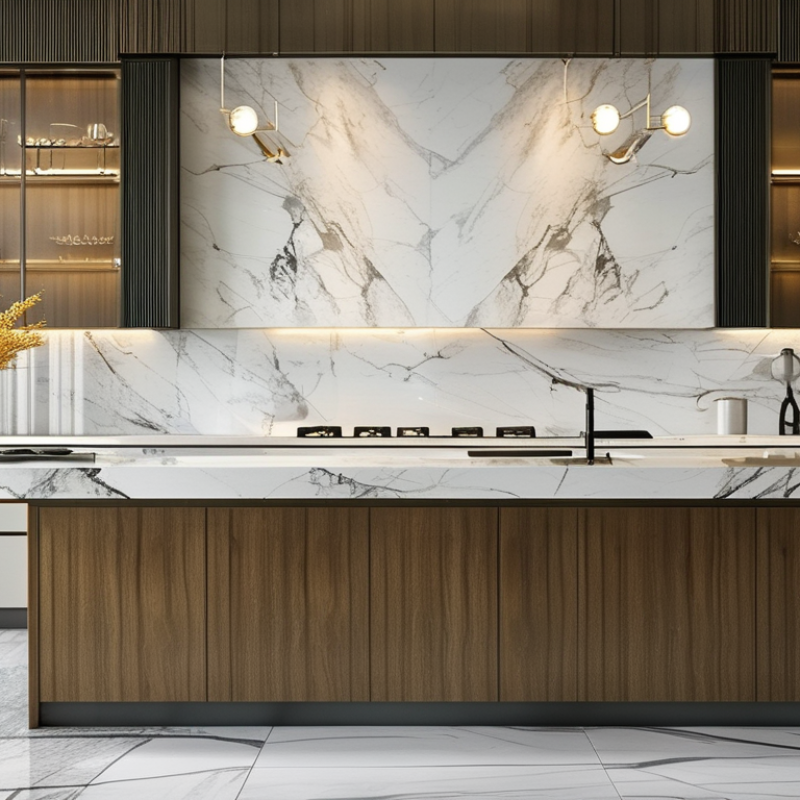
Water spots on marble tops are a common issue that can mar the beauty of this elegant surface. These spots often appear as rings or cloudy patches, resulting from minerals in water. When droplets sit on marble, they can contain calcium and magnesium. As the water evaporates, these minerals leave behind unsightly deposits. Studies indicate that around 30% of homeowners overlook regular maintenance, allowing these spots to accumulate over time.
Understanding the composition of marble is crucial. Marble is a porous stone, which makes it susceptible to staining and water spots. Research by the Natural Stone Institute shows that untreated marble can absorb liquid, leading to permanent damage. Regular sealing is recommended to protect marble surfaces. It's reported that 70% of homeowners who seal their marble see a significant reduction in these issues.
When cleaning water spots, it's vital to choose the right method. Using acidic cleaners can worsen the problem. Instead, experts recommend pH-balanced solutions. Inadequate cleaning can sometimes worsen the appearance. It's important to approach every spot with care and attention, ensuring the right techniques are employed. Proper knowledge and experience play a key role in maintaining marble's luster.
| Method | Effectiveness | Time Required | Materials Needed | Safety Level |
|---|---|---|---|---|
| Baking Soda Paste | High | 15 minutes | Baking soda, water | Safe |
| Vinegar Solution | Moderate | 10 minutes | Vinegar, water | Caution (acidic) |
| Commercial Marble Cleaner | High | 5 minutes | Cleaner, cloth | Safe |
| Lemon Juice | Moderate | 10 minutes | Lemon, water | Caution (acidic) |
| Dry Cloth Buffing | Low | 5 minutes | Dry cloth | Safe |
: Start with a soft cloth dampened with warm water and mild dish soap. Wipe gently in a circular motion.
Create a baking soda paste by mixing baking soda with water. Apply it to the stain and buff gently.
Harsh chemicals can etch the stone, damaging its beauty. Always opt for gentle cleaning solutions.
Leaving moisture can lead to more water spots. Always dry the surface thoroughly after cleaning.
Use non-abrasive, pH-balanced cleaners. Mild dish soap mixed with water is effective for routine cleaning.
Microfiber cloths are ideal. They are soft and won’t scratch the marble surface.
Be mindful of spills. Use coasters under items placed on marble to prevent unwanted stains.
Yes, consistent care can prolong the lifespan of marble surfaces. It requires attention and care.
Not every attempt will yield perfect results. Patience and observation are essential.
If stains persist despite your efforts, consider consulting a professional for advanced cleaning methods.
Water spots on marble tops can be frustrating for homeowners, but understanding how to effectively remove them is essential for maintaining the beauty of your surfaces. To address this issue, it’s important first to identify the common causes of water spots, which often result from mineral deposits left behind by water droplets.
In the guide on how to remove water spots from marble tops, a step-by-step approach is provided, including using gentle cleaning solutions and techniques that won't damage the marble. Additionally, the article emphasizes preventive measures, such as regular sealing and immediate drying of surfaces after exposure to water, which can help avoid future occurrences of water spots. Recommended cleaning products for marble care are also discussed, ensuring that you can keep your marble tops looking pristine and polished.

 Gem Marble