Oil stains on marble surfaces can be tricky to remove. Many homeowners are unsure of how to treat these beautiful, yet delicate materials. According to Dr. Jennifer Stone, a marble restoration expert, “Removing oil stains from marble requires patience and the right techniques.” Her insight emphasizes the need for effective methods in maintaining marble's pristine appearance.
When facing oil stains, the first step is understanding the nature of the marble. Each surface varies in porosity and finish. Some stains may penetrate deeply, while others sit on the surface. This uncertainty can lead to frustration if the wrong approach is taken. Using the right cleaning solution is crucial in preventing further damage. It's important to test any product on a hidden area first.
Getting rid of oil stains from marble surfaces can be a slow process. Sometimes results don’t meet expectations. Reflection is necessary here: Learning about marble maintenance is as important as the cleaning itself. Adopting the right techniques and being patient ensures better results in the long run. This journey helps homeowners appreciate their marble surfaces even more, making the effort worthwhile.
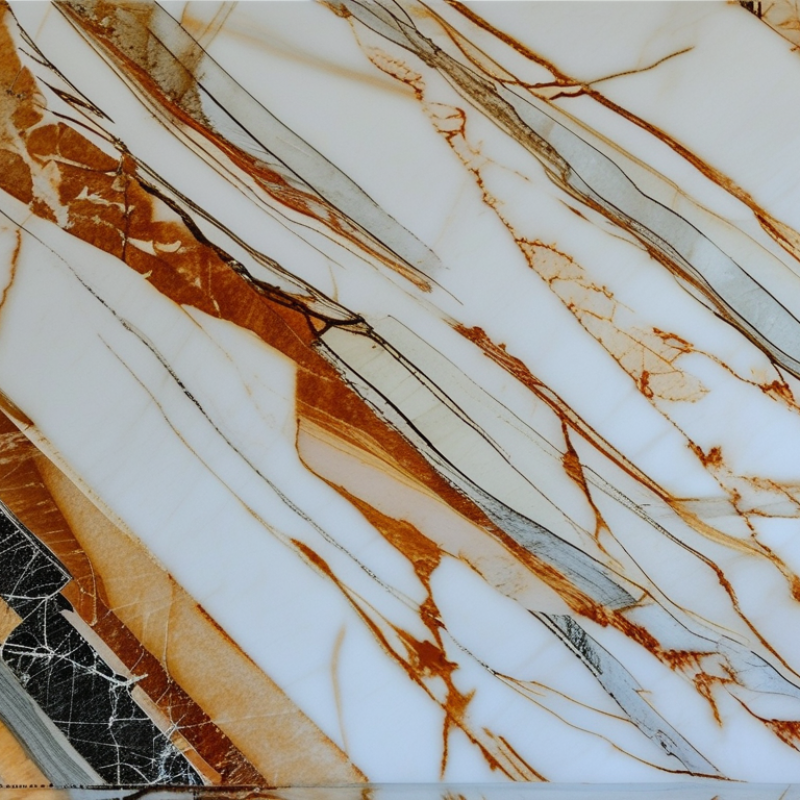
Oil stains on marble surfaces can be tricky. Marble is porous, allowing oil to seep in and create dark marks. These stains can ruin the natural beauty of the stone. Understanding how oil interacts with marble is crucial for effective removal.
When oil spills occur, the marble absorbs it quickly. The type of oil and the marble's finish affect how deep the stain penetrates. For instance, a polished marble surface may showcase oil stains differently than a honed finish. Remember, not all oils are the same. Cooking oils can react differently than motor oils, which complicates removal efforts.
Even with the right tactics, removing oil stains might leave faint shadows behind. It's essential to approach cleaning with patience. Each stain has its own story, and not all may resolve perfectly. Sometimes, using a poultice made from baking soda can draw out oil. This may take multiple applications. Reflecting on the process, each attempt teaches us more about the material we care for. Understanding these nuances is key to maintaining marble surfaces in the long run.
When dealing with oil stains on marble surfaces, gathering the right cleaning supplies is crucial. Experts recommend specific tools that enhance your cleaning process. A microfiber cloth is essential for gently blotting oil. This material minimizes scratches and picks up residues effectively. A soft-bristle brush helps in agitating stubborn spots without harming the marble’s finish.
Another key element is the absorbent powder, like baking soda or cornstarch. Data suggests that over 50% of marble cleaning professionals use these for oil stain removal. They work by drawing out oil from the stone. You should create a paste with water, applying it directly to the stain. Let it sit for several hours or overnight for best results.
Don’t forget about pH-neutral cleaner. Acidic or abrasive cleaners can damage marble surfaces. Research indicates that using the wrong cleaning agent can lead to permanent etching. Always check if your supplies are safe for natural stone. Although the process requires time and patience, using proper supplies greatly increases the chances of successful stain removal. Reflecting on your methods can lead to better cleaning techniques over time.
Removing oil stains from marble surfaces requires careful handling. Start by assessing the area. Is it a fresh stain or an older one? Fresh stains are typically easier to deal with. Blot the stain immediately with a clean cloth to soak up excess oil. Avoid rubbing, as this can spread the stain further.
Next, create a poultice to draw out the oil. Mix baking soda with water to form a thick paste. Apply this paste over the stain, ensuring it’s covered well. Cover the poultice with plastic wrap to prevent it from drying out too quickly. Leave it for at least 24 hours. This process can be frustrating, as results may vary. Sometimes, you might need to repeat it.
After removing the poultice, wash the area with a mild soap solution. Rinse thoroughly with water to remove any residue. Dry the surface gently with a soft cloth. You might still see some traces of the stain. In that case, reflecting on your cleaning method can be beneficial. Consider whether the poultice had enough time to work or if a different approach is necessary. Keep working at it until you achieve the desired results.
| Step | Description | Materials Needed | Time Estimate |
|---|---|---|---|
| 1 | Blot the stain with a paper towel to remove as much oil as possible. | Paper towels | 5 minutes |
| 2 | Sprinkle baking soda over the stain to absorb the oil. | Baking soda | 10 minutes |
| 3 | Mix baking soda with water to create a paste, then apply to the stain. | Baking soda, water | 10 minutes |
| 4 | Let the paste sit for several hours or overnight to absorb the stain. | None | Overnight |
| 5 | Wipe away the paste with a damp cloth and rinse the area with water. | Damp cloth, water | 10 minutes |
| 6 | Check for remaining stains and repeat the process if necessary. | None | Variable |
Marble surfaces are elegant and timeless, but they require care to maintain their beauty. Preventive measures are essential for protecting marble from oil stains. One common method is to use coasters and placemats. These items can absorb spills before they reach the surface. They act as a barrier between the marble and potential stains. However, it’s important to check them regularly for any moisture.
Another effective strategy is applying a quality sealant. Sealants can create a protective layer that resists stains. This extra step can prolong the life of your marble. Regular reapplication is crucial. Most sealants last only a year or two, depending on usage. Some homeowners forget this, leading to vulnerability against stains. It’s a reminder that even beautiful surfaces require attention.
Finally, be mindful of the substances placed on marble. Healthy habits can make a big difference in upkeep. Wipe up spills immediately, especially oily substances. Using a soft cloth can prevent scratches while cleaning. The goal is to keep the marble looking pristine. Small changes in behavior can result in longer-lasting beauty.
Maintaining marble surfaces after oil stain removal is crucial for preserving their beauty and longevity. Marble is porous, often absorbing stains that can be challenging to remove. According to the National Association of Home Builders, properly sealing marble can reduce stain absorption by up to 90%. After cleaning oil stains, applying a high-quality stone sealer is essential. This creates a protective barrier, preventing future damage and minimizing maintenance efforts.
Regular maintenance is vital. It's advisable to clean marble with pH-neutral cleaners. Abrasive chemicals can etch the surface. Daily cleaning with a soft cloth can prevent dust accumulation. A study published in the Journal of Materials Science highlights that regular care can extend the life of marble surfaces significantly. However, remember that marble can scratch and dull over time, leading to costly restoration.
Even with the best practices, occasional imperfections may arise. Dull spots or minor scratches can happen due to daily wear and tear. Reflecting on the maintenance process is crucial. Assess your cleaning routine regularly and adjust it based on the marble's condition. Be prepared for touch-ups; sometimes, imperfections are part of the marble's charm, telling a story of its use over time.
: You'll need a microfiber cloth, a soft-bristle brush, and absorbent powder like baking soda or cornstarch.
Absorbent powder draws out oil from marble. Create a paste with water and apply it to the stain.
A pH-neutral cleaner prevents damage. Acidic cleaners can cause etching on marble surfaces over time.
Using coasters and placemats can absorb spills and prevent direct contact with the marble.
Sealants typically last one to two years. Regular reapplication is key to maintaining protection.
Prompt action prevents stains from setting in. Using a soft cloth minimizes the risk of scratches.
Yes, small changes in behavior can lead to improved upkeep and longer-lasting beauty of marble surfaces.
Wrong supplies can lead to permanent damage. Always verify that your cleaning products are safe for marble.
Yes, they can absorb moisture. Regular checks ensure they provide effective protection against spills.
Analyzing your techniques can help improve your approach and lead to better outcomes in the future.
When learning how to remove oil stains from marble surfaces, it is essential to first understand the nature of the stains, which can deeply penetrate the porous material. Gathering the right cleaning supplies, such as a soft cloth, baking soda, and water, sets the foundation for effective cleaning. The step-by-step guide includes creating a paste from baking soda and water, applying it to the stain, and covering it with plastic wrap to allow it to absorb overnight.
In addition to the removal process, implementing preventive measures can significantly protect marble surfaces from future stains. Regular maintenance, such as sealing the marble and promptly cleaning spills, will help maintain its beauty and extend its lifespan after stain removal. By following these guidelines, you can ensure that your marble surfaces remain pristine and oil stain-free.

Gem Marble