Water spots can be an eyesore on marble tops. They can diminish the beauty of this elegant stone. "How to remove water spots from marble tops" is a common concern for homeowners. Expert stone restorer, Michael Stone, emphasizes, "Prevention is the best approach, but effective removal techniques exist."
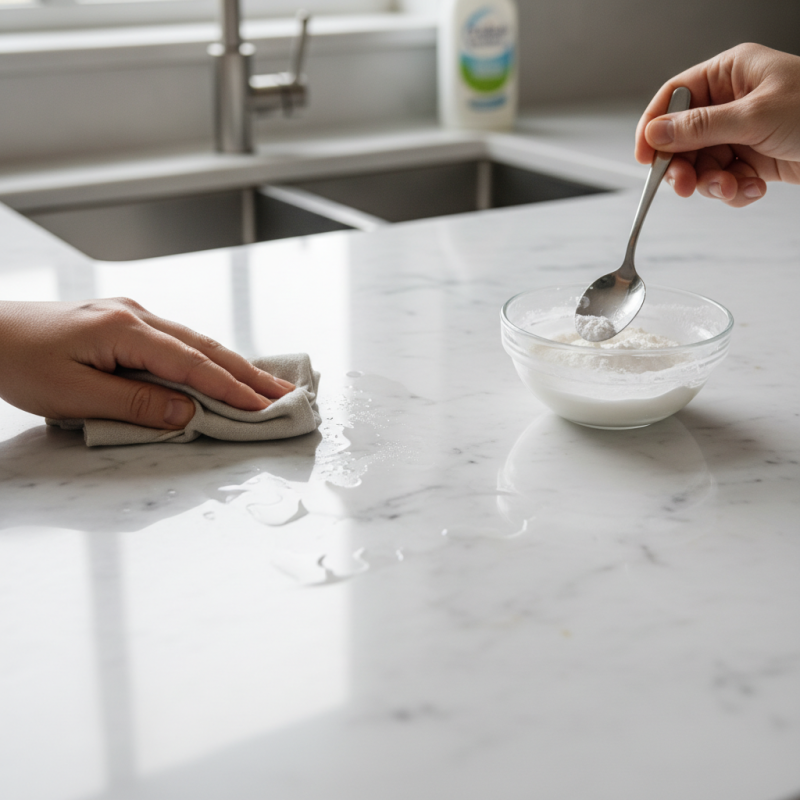
Using simple household items, you can tackle these stubborn spots. Start by gently wiping the surface with a soft cloth. A mixture of baking soda and water can work wonders. Apply this paste and rub gently. The goal is to avoid scratching the marble's surface.
However, not all methods are fail-proof. Some homeowners notice that certain spots remain after treatment. This is where it is essential to reflect on the cleaning process. Perhaps your technique needs adjustment, or the marble's finish requires professional intervention. Cleaning marble tops takes patience and care.
Understanding Water Spots on Marble Surfaces
Water spots on marble surfaces can be an eyesore. They form when water evaporates, leaving minerals behind. These deposits can tarnish the elegant look of your marble tops. Understanding their origin is essential to effectively deal with them. Regular exposure to water, especially in kitchens and bathrooms, makes these surfaces susceptible.
Tips: To avoid water spots, promptly wipe any spills with a soft cloth. Use coasters under glasses to minimize liquid contact. If spots do occur, act quickly before they set in.
Cleaning these spots can be tricky. Abrasive cleaners or scrubbing pads can scratch marble. Instead, a mixture of warm water and a few drops of dish soap works wonders. Apply the solution with a soft cloth and gently buff the surface. Rinse thoroughly and dry with a clean towel. For stubborn spots, consider using a mixture of baking soda and water to create a paste.
Tips: Always test a small area first to avoid damage. Remember, marble is porous, so prevention is critical. Regular sealing can help protect your surfaces from future spots.
Identifying the Best Cleaning Solutions for Marble
Water spots on marble tops can be frustrating. Identifying the best cleaning solutions is essential to restore that elegant shine. Marble is porous and sensitive to acidic substances. Therefore, always choose gentle cleaners designed specifically for marble.
A mix of warm water and a few drops of pH-neutral soap can work wonders. Use a soft cloth to gently wipe the surface. Avoid scrubbing, as this can damage the finish. Rinse with clean water and dry thoroughly with another soft cloth. This method can prevent further discoloration.
For tougher stains, you might consider a baking soda paste. Mix baking soda with water to form a paste, apply it to the stain, and let it sit for a while. It’s important to keep an eye on the reaction with your marble. Over-exposing your marble to this method can lead to dullness.
Remember, maintaining marble tops requires regular care. Clean spills immediately to avoid water spots. If signs of damage appear, consult a professional. Treat your marble with respect, and it will enhance your space beautifully.
Water Spot Removal Effectiveness of Common Cleaning Solutions for Marble
Step-by-Step Guide to Remove Water Spots from Marble
Water spots on marble tops can be frustrating. They appear as unsightly stains that mar the surface’s elegance. Fortunately, removing them is possible with the right approach. Start by assessing the damage; some water spots may penetrate deeper than others. According to a report by the Marble Institute of America, over 70% of marble damages result from improper maintenance. Therefore, treating these spots with care is crucial.
Begin with a simple solution: mix a few drops of dish soap into warm water. Use a soft cloth to gently buff the affected area. Avoid abrasive cleaners, as they can worsen the issue. If stains persist, consider using a baking soda paste. Mix baking soda with water to create a thick paste, then apply it to the spots. This method takes time, as it may need to sit for several hours. While many people find success with these methods, some may notice that results vary based on the marble's finish.
Professional recommendations suggest sealing marble surfaces every six months to avoid water spots. Data reveals that regular maintenance can reduce blemishes by up to 90%. The time invested in these preventive measures often pays off. Always keep in mind that while DIY methods are beneficial, deeper stains may require professional attention. Careful observation is key to maintaining the beauty of marble tops.
Preventive Measures to Avoid Future Water Spots on Marble
Water spots on marble tops can be frustrating. To prevent these marks, focus on a few essential practices. Regularly wipe surfaces with a soft, dry cloth. This simple action can dramatically reduce water accumulation. Spills should be addressed immediately. Don’t let liquids sit. A prompt response prevents unwanted stains and spots.
Consider using coasters and mats under glasses and dishes. These protective barriers catch drips and condensation, safeguarding your marble. It’s also wise to avoid acidic cleaners. They can cause etching, making stains more noticeable. Instead, opt for pH-neutral solutions specifically made for marble care.
Regular sealing of marble surfaces is critical. A good sealant creates a barrier against moisture. Re-seal your marble every six months for the best protection. Remember that even with precautions, water spots may still appear. Accepting this reality can guide how you maintain your surfaces. Aim for consistent care rather than perfection.
Caring for Marble Tops: Maintenance Tips and Tricks
Marble tops are both beautiful and delicate. Proper care is essential for maintaining their elegance. Start with regular cleaning using a soft cloth. Avoid acidic cleaners, as they can etch the surface. Instead, opt for a pH-neutral soap mixed with water. This helps keep the surface smooth and shiny.
When it comes to water spots, act quickly. Use a mixture of baking soda and water to create a paste. Gently rub it on the spot with a soft cloth. It’s important to not press too hard; marble can easily scratch. Rinse well afterward. You may need to repeat the process for stubborn spots.
Preventative measures are crucial. Use coasters under drinks and placemats under plates. This minimizes direct contact with the marble. Regular sealing can also help protect the surface. However, sealing is not a one-time task; it should be done every 6 to 12 months. Each marble top is unique, and finding the right routine may take time. It's okay to experiment with different methods.
Conclusion
In this article, we delve into "How to remove water spots from marble tops" by first understanding the nature of water spots that can mar the beauty of marble surfaces. Water spots typically arise from mineral deposits left by evaporated water, and knowing how to identify them is key to effective cleaning.
We provide a comprehensive step-by-step guide for removing these spots, utilizing suitable cleaning solutions that won't harm the marble's finish. Additionally, we offer preventive measures to help avoid future water spots, ensuring your marble surfaces remain pristine. Finally, we share maintenance tips and tricks for caring for marble tops, promoting longevity and aesthetic appeal.

 Gem Marble