How to Easily Seal Marble Countertops at Home Tips and Tricks?

Time:2026-05-05 Author:Sienna
0%

Marble countertops are beautiful but require careful maintenance. Knowing how to seal marble countertops at home can help protect your investment. A well-sealed countertop resists stains and keeps its luster. Many homeowners fear the sealing process. They worry about damaging the stone or applying the wrong products.

In reality, sealing your marble doesn’t have to be daunting. With the right techniques, you can do it yourself. It is crucial to select a high-quality sealer designed for marble. Inconsistent application can lead to uneven protection. Pay attention to the surface preparation. A clean, dry countertop is essential for effective sealing.

There might be some trial and error involved. You may find that your first attempt does not yield perfect results. That’s okay; it’s part of the learning curve. Reflect on what went well and what didn’t. With practice, you will master the technique. Your marble countertops will thank you with their enduring beauty and durability.
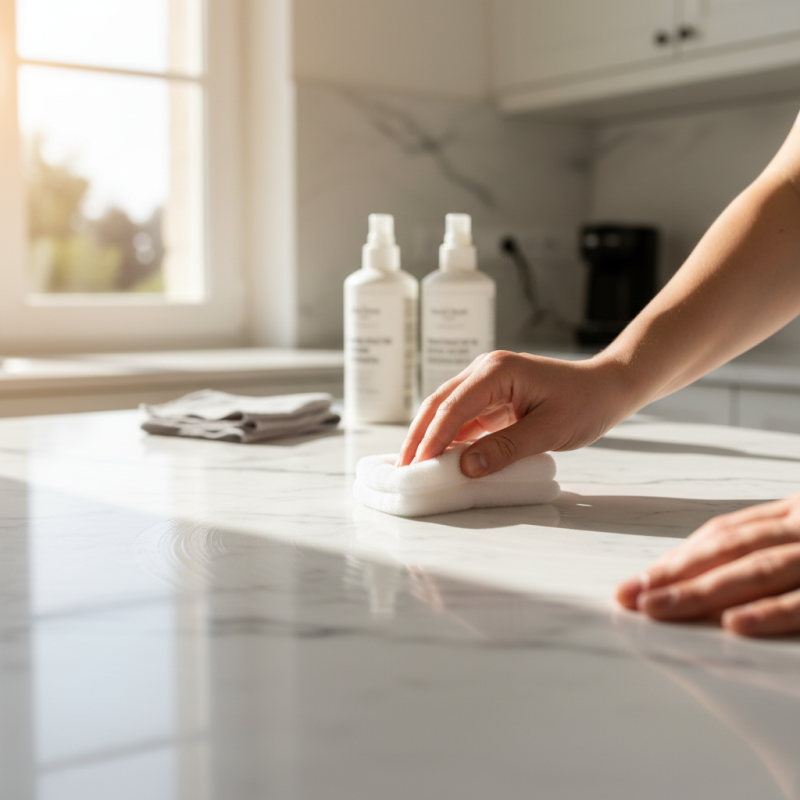
How to Easily Seal Marble Countertops at Home Tips and Tricks?

Selecting the Right Sealer for Your Marble Countertops

Selecting the right sealer for your marble countertops is crucial. A good sealer protects against stains and enhances the marble's natural beauty. Different sealers serve various purposes. Some are penetrating sealers, while others are topical. Understanding these types helps you make an informed choice.

Tips for choosing a sealer include checking the porosity of your marble. Conduct a simple water test. If water beads on the surface, your marble is well-sealed. If it absorbs water, it needs sealing. Look for sealers labeled as safe for marble to avoid damage.

Also, consider ease of application. Some sealers require professional installation, while others can be applied at home. Follow the manufacturer's instructions closely for the best results. Remember, applying too much sealer can lead to a cloudy appearance. Repeat the sealing process every six months to keep your countertops looking fresh.

Preparing the Countertop Surface for Sealing

Before sealing your marble countertops, it’s essential to prepare the surface properly. Start by cleaning the countertop thoroughly. Use a pH-balanced cleaner to remove stains and grime. After cleaning, the surface should be completely dry. Any moisture left can interfere with the sealant’s effectiveness.

Tip: Avoid using acidic or abrasive cleaners, as they can damage marble. A soft cloth works best during the cleaning process. If there are stubborn stains, consider using a marble-safe poultice. Let it sit according to instructions before rinsing.

Once cleaned, check for any cracks or chips. Repairing these areas is crucial. Use a marble adhesive to fill in any imperfections. This not only enhances the appearance but also ensures the sealant adheres well.

Remember to allow enough time for all repairs to cure completely. Skipping this step can lead to issues later on. Taking the time now can prevent headaches down the road and provide a longer-lasting finish.

Applying the Sealer: Techniques and Tips

Applying a sealer to your marble countertops is crucial for their longevity. Many homeowners overlook this step. Regular sealing can prevent stains and damage. According to a 2021 industry report by the Marble Institute, untreated marble can absorb liquids up to 50 times faster than sealed surfaces. This statistic highlights the importance of using a high-quality sealer.

Before applying the sealer, ensure the surface is clean and dry. This preparation is essential for proper adhesion. Use a pH-neutral cleaner and a microfiber cloth. Pay attention to the seams and edges, as these areas are prone to wear.

Applying the sealer requires technique. Start from one corner and work your way across the countertop. Use a foam applicator to ensure even coverage. It’s advisable to apply multiple thin coats rather than one thick layer. Allow each coat to dry thoroughly, usually for 15 to 30 minutes, checking the product instructions.

Many users find the process daunting, leading to uneven application. A common issue is not allowing enough drying time. This can result in a cloudy appearance on the surface. Additionally, applying too much pressure can cause streaking.

Seeking professional advice can help refine your technique. Make sure to test the sealer on a small area first. This can provide insight into how it reacts with your specific marble type. Regular maintenance and awareness of fading or staining will enhance your countertops' appearance and durability.

Curing Time and Maintenance After Sealing

Sealing marble countertops is essential for protecting their beauty and durability. After applying the sealant, curing time is crucial. Typically, it takes up to 24 hours for the sealant to cure completely. It’s best to keep the countertops dry and free of any items during this period. Remember, inadequate curing can lead to poor adhesion and reduced effectiveness of the sealant.

Maintaining sealed marble is another critical aspect. Regular cleaning with a pH-neutral cleaner ensures longevity. Avoid harsh chemicals that can damage the seal. Spills should be wiped up immediately to prevent staining. Periodically, it’s advisable to check the seal's effectiveness. Simple water tests can indicate if re-sealing is needed. A few droplets of water should bead on the surface. If the water penetrates the stone, it’s time to reseal. These steps require diligence to uphold the elegance of marble.

Signs Your Marble Countertops Need Resealing

Marble countertops are stunning but require care. Knowing when to reseal them is crucial. Signs of wear can be subtle but significant. If you notice stains, dull spots, or changes in texture, it’s time to act. According to industry reports, unsealed marble can absorb 50% more stains than sealed surfaces. Regular inspection is key to maintaining their beauty.

Tip: Conduct the water test. Drop water on the surface. If it absorbs within 10 minutes, resealing is necessary. Look for areas with consistent discoloration. This indicates a failed seal.

Another sign is etching. Acidic substances like lemon juice or vinegar can damage marble. This etching dulls the surface, making it look worn. The report by the Marble Institute states that regular sealing can extend the life of countertops by up to 10 years. Don’t overlook this aspect.

Tip: Seal your countertops at least once a year. Use a high-quality sealant suited for marble. Often, the process is straightforward. However, inconsistent resealing can lead to larger issues. Stay proactive to ensure longevity. You’ll be rewarded with stunning, protected marble for years.

FAQS

: How do I prepare my marble countertop for sealing?

: Clean the countertop thoroughly with a pH-balanced cleaner. Ensure it is completely dry afterward.

What should I avoid when cleaning marble?

Avoid acidic or abrasive cleaners. They can damage the marble surface. Stick with a soft cloth.

What if there are stains on the marble?

Use a marble-safe poultice for stubborn stains. Follow the instructions carefully for best results.

How can I tell if my marble countertop needs resealing?

Look for stains, dull spots, or texture changes. A water drop test can help too.

What does the water drop test entail?

Drop water on the surface. If it absorbs within 10 minutes, resealing is needed.

How often should marble countertops be sealed?

Resealing is recommended at least once a year. This helps maintain their beauty and functionality.

What happens if I skip repairs before sealing?

Skipping repairs can lead to issues later. It may cause the sealant to fail and result in damage.

What type of sealant should I use?

Use a high-quality sealant specifically made for marble. It enhances protection and longevity.

What are signs of etching on marble?

Etching appears as dull spots caused by acidic substances. It makes the surface look worn and tired.

Can inconsistent resealing really cause problems?

Yes. Inconsistent resealing can lead to larger issues, affecting the marble's longevity and appearance.

Conclusion

Sealing marble countertops at home can significantly enhance their durability and appearance. To start, selecting the right sealer is crucial; it should be specifically formulated for marble to ensure effective protection against staining and damage. Next, preparing the countertop surface involves thorough cleaning and drying to create an optimal surface for sealing.

When applying the sealer, use appropriate techniques to ensure even coverage, and follow the manufacturer's instructions for the best results. After sealing, understanding curing time and maintaining the surface is essential for long-term protection. Lastly, keep an eye out for signs your marble countertops need resealing, such as water marks or discoloration, to keep them looking their best. Following these tips on how to seal marble countertops at home will help preserve their beauty and functionality for years to come.

Sienna

Sienna

Sienna is a skilled marketing professional with a deep expertise in our company’s core products and services. With a passion for innovation and detail, she plays a pivotal role in crafting insightful blog posts that not only highlight the unique features of our offerings but also provide valuable......