When exploring natural stones, a common question arises: "What is the difference between marble and dolomite?" Both stones are widely used in construction and design. However, they possess unique characteristics that set them apart. According to Dr. Emily Stone, a geologist with over 15 years of experience, "Marble and dolomite may look similar, but their composition affects their durability and aesthetics."
Marble is a metamorphic rock formed from limestone, primarily composed of calcite. This gives marble its classic veined appearance, making it popular for countertops and sculptures. On the other hand, dolomite is a sedimentary rock containing both calcite and magnesium carbonate. Its finer grain and varied colors offer a rustic charm that appeals to many homeowners.
Understanding the distinction is crucial for selecting the right material for your project. While both stones may initially appear alike, their differences play a significant role in functionality and style. Reflecting on these attributes can guide decisions, especially when aesthetics and durability are paramount. The choice between marble and dolomite ultimately impacts the outcome of your design endeavors.
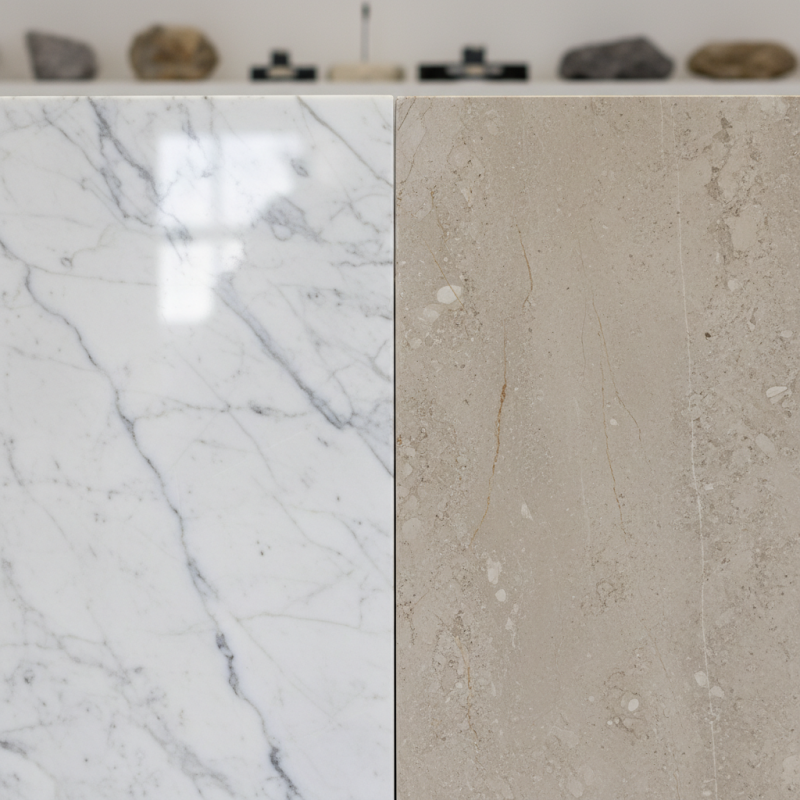
Differences in Composition of Marble and Dolomite Stone
Marble and dolomite stone are both popular choices in architecture and design. Their compositions are key to their distinct characteristics. Marble is primarily composed of calcite (calcium carbonate), whereas dolomite stone mainly consists of dolomite (calcium magnesium carbonate). This difference in composition affects their hardness, appearance, and uses.
Marble is known for its luxurious look and bright, veined patterns. It typically has a softer texture, making it easier to carve and shape. Its Mohs hardness ranges from 3 to 4. In contrast, dolomite is harder, registering 3.5 to 4 on the Mohs scale. This added hardness can make dolomite more durable for construction projects.
Tip: When choosing between the two stones, consider the intended use. For flooring, dolomite may be preferable due to its durability. Marble is best for decorative features, like countertops or sculptures.
Both stones can be susceptible to environmental factors. Marble is more porous, making it prone to staining from acidic substances. Dolomite, while harder, can still weather when exposed to harsh conditions. Assess the surroundings before deciding which stone suits your project best.
Differences in Composition of Marble and Dolomite Stone
Physical Properties of Marble vs Dolomite: Hardness and Porosity Analysis
When comparing marble and dolomite, physical properties like hardness and porosity play significant roles.
Marble is primarily composed of calcite, making it softer. It typically rates 3 to 4 on the Mohs hardness scale.
This softness allows for intricate carvings, but it also makes marble more susceptible to scratches and wear. In practical terms, a marble countertop may show signs of use more quickly than one made of dolomite.
Dolomite, on the other hand, is slightly harder, rating around 4 to 5 on the Mohs scale.
Its structure is denser than marble, leading to lower porosity. This denser composition means dolomite is less prone to staining and is more durable over time.
While it may not have the same aesthetic appeal for some, its resilience is noteworthy for high-traffic areas. You might find yourself reconsidering your choices when it comes to durability versus beauty in stone selections.
Both stones have their unique characteristics, making them suitable for different applications.
Understanding their physical properties can help guide better material choices. Evaluating your needs critically is crucial.
Balancing beauty with practicality can be challenging but essential in your decision-making process.
Common Uses of Marble and Dolomite in Construction and Industry
Marble and dolomite are widely used in construction and industry. Marble, a metamorphic rock, is prized for its elegance and beauty. It is often used in flooring, countertops, and sculptures. According to the U.S. Geological Survey, marble production in the U.S. reached approximately 740,000 metric tons in recent years. This high demand showcases its significance in residential and commercial projects.
Dolomite, on the other hand, plays a crucial role in industrial applications. It is mainly used as a source of magnesium oxide and as a construction aggregate. The Minerals Education Coalition notes that dolomite production has increased due to the growing need for this versatile material. In 2021, U.S. dolomite production was about 1.4 million metric tons, reflecting its critical role in multiple sectors.
Both stones have their benefits and drawbacks. Marble can be sensitive to acid, which can lead to etching. Dolomite's properties make it less susceptible to weathering. However, it can be more challenging to work with in certain applications. Understanding these nuances is essential for making informed choices in construction and design.
Market Demand Trends for Marble and Dolomite in the Stone Industry
The stone industry is experiencing a notable shift in market demand. Marble and dolomite stones cater to different segments, each with unique preferences. Marble is often sought for its luxurious appeal. It's prevalent in high-end residential projects and commercial spaces. Its vibrant colors and intricate veining attract many architects and designers.
On the other hand, dolomite is gaining traction due to its versatility. It is more affordable and durable, making it popular for construction and landscaping purposes. Many developers are considering dolomite for large-scale projects, where cost efficiency is crucial. This shift reflects changing consumer priorities, often favoring practicality over extravagance.
Despite the rising demand, sustainability issues linger. Both stones require significant resources for extraction and processing. Industry professionals must grapple with these challenges to meet environmental standards. Balancing demand with responsible sourcing remains a critical focus for the future of the stone industry.
Environmental Impact of Quarrying Marble and Dolomite Stones
Quarrying marble and dolomite stones has significant environmental impacts. Both activities disrupt local ecosystems. Wildlife habitats are often destroyed during the extraction process. This can lead to biodiversity loss.
Quarries can pollute nearby water sources. Chemicals used in processing stones may seep into the ground. This contamination can harm aquatic life. Dust from quarrying can affect air quality too. It poses health risks to nearby communities.
Tips: Choose local materials when possible. This reduces transportation emissions. Engage with companies that prioritize sustainable practices. They should implement measures to minimize environmental damage. Awareness is key.
Many quarries are poorly regulated. This raises concerns about their long-term impact. It is essential to advocate for better monitoring of operations. Communities can demand transparency from quarry operators. Engaging with local governments can lead to positive change.
FAQS
: Marble primarily consists of calcite, while dolomite mainly comprises calcium magnesium carbonate.
Marble has a luxurious look with bright patterns and is easier to carve, making it ideal for counters or sculptures.
Dolomite is harder and more durable, making it a better choice for flooring in construction projects.
Marble is more porous and prone to staining, while dolomite can weather under harsh conditions.
There is an increasing demand for dolomite due to its affordability and versatility, especially for large-scale projects.
Quarrying disrupts ecosystems, pollutes water sources, and can harm air quality due to dust.
Opt for local materials and support companies committed to sustainable practices to reduce transportation and extraction effects.
Many quarries are under-regulated, raising concerns about their environmental impact and the need for better monitoring.
Communities can demand transparency and advocate for stricter regulations to ensure responsible quarrying practices.
Marble and dolomite extraction requires substantial resources, leading to environmental challenges that need careful consideration.
Conclusion
The article titled "What is the Difference Between Marble and Dolomite Stone?" explores the key distinctions between these two prominent natural stones. The differences in composition reveal that marble is primarily composed of calcite, while dolomite stone is made up of calcium magnesium carbonate. Physically, marble tends to be softer and more porous than dolomite, which impacts their respective uses in construction and industry. Marble is frequently chosen for aesthetic applications, whereas dolomite's durability makes it ideal for functional purposes.
Additionally, the article discusses current market demand trends for both stones, highlighting how they are influenced by construction activities and aesthetic preferences. The environmental impact of quarrying practices for both marble and dolomite is also examined, emphasizing the need for sustainable management in the stone industry. Overall, understanding "What is the difference between marble and dolomite" is essential for making informed choices in both construction and design.

 Gem Marble