Marble has emerged as a leading choice in the sustainable building materials industry. As experts advocate for eco-friendly solutions, many ask, "Why is marble a sustainable building material?" Renowned architect Dr. Linda White states, "Marble's natural formation and durability contribute significantly to its sustainability."
This stone is not only elegant but also abundant in certain regions. Its extraction requires minimal processing compared to other materials, reducing the carbon footprint. Additionally, marble's longevity means fewer replacements are needed over time. With a lifespan that can span decades, it stands as a reliable choice for architects and builders committed to sustainability.
However, there are challenges. The mining process can impact local ecosystems. Awareness of this issue is essential for the industry's future. Achieving a balance between using marble's natural beauty and preserving the environment remains a topic of ongoing reflection. By exploring "Why is marble a sustainable building material," we can foster dialogues that promote both aesthetic and ecological priorities.
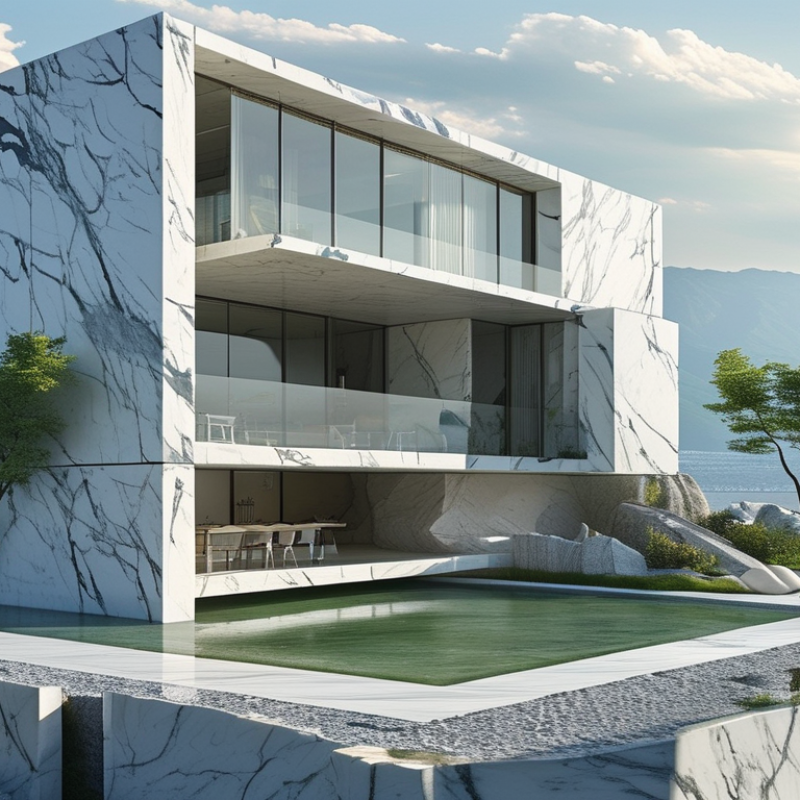
Properties of Marble That Support Sustainability in Construction
Marble is increasingly recognized for its sustainable properties in construction. This natural stone has unique characteristics that contribute to environmentally friendly building practices. The Geological Society reports that marble is 100% recyclable and can be reused multiple times without losing its strength. This durability means buildings can last longer, reducing the need for frequent replacements.
Moreover, marble's production typically requires less energy compared to many synthetic materials. According to the Marble Institute of America, natural stone manufacturing generates significantly lower carbon emissions than alternative materials. This aspect supports a lower environmental footprint for structures utilizing marble. Its thermal mass also helps in regulating indoor temperatures, reducing the need for energy-consuming heating and cooling systems.
However, the quarrying process can impact local ecosystems. Sustainable practices in extraction are still evolving. Some regions enforce strict regulations, while others lack oversight. Balancing the benefits of marble with environmental considerations is essential. Choosing marble must include evaluating how it was sourced, ensuring that the sustainability aspect is truly honored.
Why Choose Marble as a Sustainable Building Material?
| Property |
Description |
Sustainability Aspect |
| Durability |
Marble is known for its strength and longevity, often lasting for decades or even centuries. |
Reduces the need for frequent replacements, minimizing resource use. |
| Natural Material |
Composed of natural minerals, marble is extracted from the earth with minimal processing. |
Low environmental impact during extraction compared to synthetic materials. |
| Thermal Mass |
Marble has excellent thermal mass properties, helping to regulate indoor temperatures. |
Reduces energy consumption for heating and cooling. |
| Recyclable |
End-of-life marble can be completely recycled and repurposed for new construction. |
Supports a circular economy in building materials. |
| Aesthetic Appeal |
Natural beauty with unique patterns and colors, enhancing design value. |
Increases value of buildings, promoting quality over quantity in construction. |
Environmental Impact of Marble Extraction and Processing
Marble, a natural stone, has a complex environmental impact during extraction and processing. Extraction often involves quarrying, which can disrupt ecosystems. The removal of large amounts of earth can alter landscapes and habitats. Water usage is another concern, as significant amounts are needed to cool machinery and process stones.
Processing marble generates waste, including dust and leftover materials. This waste often ends up in landfills, contributing to pollution. Furthermore, the energy required for transporting marble adds to greenhouse gas emissions. Sustainable practices can mitigate some of these effects. Using local sources reduces transportation impacts. Recycling leftover marble enhances sustainability by minimizing waste.
Choosing marble means weighing its beauty against these environmental costs. The industry must strive for more efficient methods. Engaging in responsible sourcing and innovative processing techniques could lessen its footprints. Reflecting on these practices encourages a balanced view of marble as a building material.
Lifecycle Assessment: Marble's Durability and Longevity as a Material
Marble is often celebrated for its aesthetic appeal and luxurious finish. However, its lifecycle assessment reveals significant insights into its durability and longevity as a building material. Studies indicate that marble can last over a century with proper care, which makes it not only a long-lasting option but also a sustainable one. According to the Natural Stone Institute, well-maintained marble surfaces show minimal wear over time.
The extraction and processing of marble have environmental impacts, yet innovations in quarrying techniques are helping to mitigate these effects. For instance, the use of diamond wire saws reduces waste by up to 30% during quarrying. This method generates less dust and noise, improving the working conditions for quarry workers. Furthermore, marble’s natural properties allow for easy maintenance, which minimizes the need for harsh cleaning chemicals that can harm the environment.
Marble's longevity significantly contributes to a reduced carbon footprint. The longer a building material lasts, the less frequently it needs replacement, which diminishes the overall resource consumption. Therefore, when assessing sustainable materials, we must also consider their entire lifecycle. While marble has its drawbacks, its enduring nature and lower maintenance requirements present a compelling case for its use in sustainable architecture.
Comparative Analysis: Marble vs. Other Building Materials
Marble stands out as a building material in various ways. When compared to concrete, marble offers superior aesthetic appeal. Its unique veins and patterns create stunning surfaces. Concrete can often appear dull and lifeless. Additionally, marble has excellent durability. It withstands weathering far better than many other materials. While concrete often requires regular maintenance, marble can retain its beauty for decades.
Another comparison involves wood, often seen as a sustainable option. Wood does offer a warm, natural feel. However, sourcing quality timber responsibly can be a challenge. Overharvesting poses risks to forests and ecosystems. Marble, on the other hand, comes from abundant quarries in many regions. As a natural stone, it poses less of a risk in terms of sustainability when sourced properly.
There are drawbacks to marble. It can be more expensive upfront than other materials. It also may require specific care to avoid stains. But its longevity can make it a cost-effective choice in the long run. Building with marble can create a lasting legacy. In some cases, the investment pays off through appreciation in property value.
Why Choose Marble as a Sustainable Building Material? - Comparative Analysis
This chart compares the environmental impact of marble as a building material against other common materials such as concrete, wood, and steel based on lifecycle assessments in terms of carbon footprint (kg CO2e per ton), water usage (liters per ton), and energy consumption (MJ per ton).
Economic Benefits of Choosing Marble for Sustainable Architecture
Marble is often overlooked in discussions about sustainable materials. However, its economic benefits make it a compelling choice for architects. The initial investment can seem high, yet marble's long lifespan offers significant savings over time. Unlike synthetic alternatives, it requires minimal maintenance and resists wear and tear effectively. This can lead to reduced costs in repairs and replacements.
Additionally, marble's timeless aesthetic can enhance property value. Properties featuring marble often attract higher prices and may sell faster. This return on investment is crucial for builders and homeowners alike. Local availability can also bolster local economies, as sourcing marble from nearby quarries supports regional employment.
Yet, it's essential to reflect on environmental concerns related to marble extraction. Responsible quarrying practices can mitigate some impacts. While marble processing may generate waste, choosing suppliers committed to sustainability reduces this issue. It's vital to balance economic benefits with ethical considerations in sourcing practices.
FAQS
: Marble is 100% recyclable and durable. It lasts longer, minimizing replacements.
Marble's production consumes less energy and generates lower carbon emissions than alternatives.
Quarrying disrupts landscapes and habitats. It alters the local ecosystem significantly.
Significant amounts of water cool machinery and process the stone. This raises concerns.
Dust and leftover materials are typical waste. Often, this waste ends up in landfills.
Transporting marble contributes to greenhouse gas emissions. Local sourcing can help reduce this.
Marble can last over a century with proper care. This contributes to its sustainability.
Diamond wire saws reduce waste by up to 30%. These methods are more efficient.
Marble is easy to maintain, reducing the need for harsh chemicals. This is environmentally friendly.
Its longevity reduces the need for replacements, lowering resource consumption over time.
Conclusion
Marble's unique properties make it a compelling choice for sustainable construction. Its durability and longevity contribute significantly to its sustainability profile, as buildings incorporating marble can last for generations without the need for frequent replacements. Additionally, the extraction and processing of marble, when conducted responsibly, can minimize environmental impacts, aligning with green building practices.
A lifecycle assessment reveals that compared to other building materials, marble often requires less maintenance and has a lower environmental footprint over time. This is further complemented by the economic benefits, as investing in marble can lead to long-term cost savings due to its resilience and aesthetic appeal. In summary, understanding "why is marble a sustainable building material" involves recognizing its environmental advantages, economic viability, and lifetime durability, making it an excellent choice for architects and builders committed to sustainability.

 Gem Marble