Marble is a highly prized material, renowned for its beauty and sophistication. However, it is also susceptible to etching, especially from acidic substances. Many home and business owners encounter this issue. They often wonder, "What causes marble to etch and how to fix it?" Understanding the underlying factors is essential to maintaining the marble's luster.
According to a report by the Natural Stone Institute, about 75% of all marble damage arises from improper care and maintenance. Acidic liquids such as lemon juice, vinegar, and even some cleaning products can erode the surface. When these substances come into contact with marble, they react chemically, leading to dull spots and marks. This can be frustrating, especially for those who have invested significantly in marble countertops or flooring.
Addressing marble etching requires more than just surface cleaning. Using the right polishing techniques and products can greatly restore the marble's appearance. However, many individuals struggle with choosing effective solutions. This uncertainty highlights the importance of understanding the causes of etching and the best corrective measures available. By doing so, we can preserve the elegance of marble for years to come.
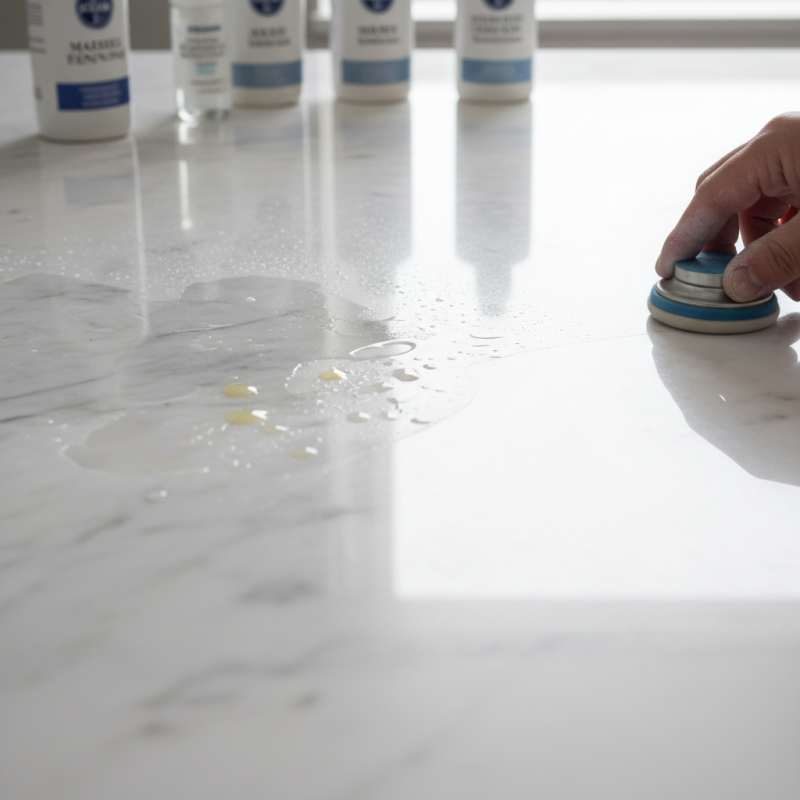
Marble etching is a common issue that affects many homeowners and businesses. It occurs when acidic substances come into contact with the marble surface, leading to dull spots or marks. According to industry studies, over 60% of marble users experience etching at some point. This damage significantly reduces the aesthetic appeal and value of marble surfaces.
Common causes include spills from vinegar, citrus juices, or cleaning products containing acid. Such substances can react with the calcium carbonate in marble. Notably, a report by the Natural Stone Institute notes that improper care can exacerbate etching. Cleaning practices that use harsh chemicals or incorrect pH levels can contribute to surface deterioration.
Understanding these causes can help in prevention strategies. Regularly sealing marble surfaces can protect against etching. However, it's important to note that not all sealants are equally effective. Some may create a false sense of security, leading to further damage. Awareness of marble's vulnerability is crucial for maintenance. Daily cleaning with pH-neutral products can limit exposure to acidic threats. This mindful approach can keep marble surfaces looking their best.
Marble etching occurs when acidic substances come into contact with the stone. Common household items can cause this damage. For instance, lemon juice and vinegar are well-known culprits. A study indicated that even mild acids can harm marble surfaces, leading to dull spots or cloudy areas. Many homeowners underestimate the impact of these substances.
Cleaning products frequently contain acidic components. Some brands of all-purpose cleaners can be harmful to marble. Research shows that prolonged exposure to these chemicals can accelerate etching. It's crucial to be aware of the cleaners you choose to use on marble. Using pH-neutral cleaners can greatly reduce the risk of damage.
Preventive measures are vital. Regular sealing of marble surfaces can create a protective barrier against acids. Additionally, it’s wise to clean spills immediately with water. Many people overlook this simple step. By remaining vigilant about daily use, you can preserve the beauty of marble for years.
Etching on marble surfaces is a common issue faced by many homeowners. You might notice dull spots or areas lacking sheen. These alterations can arise from acidic substances, such as lemon juice or vinegar, coming into contact with the marble. Keys signs include visible marks that disrupt the natural polish. A keen eye is crucial for detecting these changes before they worsen.
Another symptom of etching is roughness under your fingertips. When you run your hand over the surface, it should feel smooth. If it doesn’t, etching may already have set in. Discolorations often accompany these feelings, presenting a faded look where the marble once gleamed. Regular cleaning practices can sometimes overlook these signs, embedding the problem deeper into the stone.
Using a pH-balanced cleaner can help mitigate more significant damage. However, not all cleaning methods work equally. Attempting to polish the marble without addressing the etching can yield poor results. It’s essential to recognize that these imperfections demand attention. Ignoring them could lead to costly repairs later. Addressing etching early preserves the beauty of your marble surfaces and extends their life.
Marble etching occurs when acidic substances come into contact with marble surfaces. Common culprits include lemon juice, vinegar, and certain cleaning agents. The acidic reaction erodes the surface, leading to dull spots and uneven textures. According to industry reports, 40% of marble surface damage is attributed to improper cleaning methods, highlighting the need for education on maintenance.
Effective methods for repairing etched marble often involve minor refinishing techniques. One common approach is using a marble polishing powder combined with a damp cloth. This method can restore shine while being gentle on the stone. Additionally, professional services may use diamond abrasives for deeper etching. Reports show that this technique can yield up to 90% improvement in appearance.
Adopting preventive measures can significantly reduce the frequency of etching. Regular sealing of marble surfaces helps create a protective barrier, limiting acid exposure. Most experts recommend resealing every six months to maintain durability. It's crucial to educate yourself on proper care, as missteps can have lasting effects on your marble's beauty. Understanding the materials you use and their impact on your surfaces is vital in preserving the integrity of marble over time.
Marble etching is a common issue that occurs when acidic substances come into contact with marble surfaces. This phenomenon can significantly diminish the stone's aesthetic appeal. To prevent future etching, it’s essential to adopt a few key strategies. The Marble Institute of America reports that 70% of marble damage is preventable through proper care.
Using coasters is crucial. These protective barriers can shield marble surfaces from spills. Clean up any spills quickly to minimize damage. A gentle pH-neutral cleaner will help maintain the stone’s natural beauty. Avoid acidic cleaners, as they can exacerbate etching issues. A study by Stone World highlighted that regular maintenance can extend the lifespan of marble by up to 50%.
Applying a high-quality sealant can provide an added layer of protection. A professional installation can enhance the preventive benefits. It's also vital to educate household members about proper care. While it can be tempting to ignore minor etching, those small imperfections can lead to more significant issues over time. Addressing these concerns proactively allows for a more enjoyable ambiance in your space.
: Marble etching is caused by acidic substances like lemon juice and vinegar.
Look for dull spots, roughness, and areas lacking shine.
pH-neutral cleaners help prevent acid damage and maintain marble's natural beauty.
Using acidic cleaners or ignoring spills can lead to etching issues.
Yes, but addressing it early is crucial to prevent costly repairs.
Regular sealing helps protect marble, but frequency depends on usage.
Quick cleanup minimizes damage and prevents deeper etching.
Yes, coasters shield marble from spills and reduce etching risk.
Small imperfections may worsen, leading to more significant problems down the road.
Regular maintenance, such as cleaning and sealing, significantly extends marble's life.
Marble etching is a common issue that occurs when acidic substances react with the calcium carbonate in the stone, leading to dull spots or marks on the surface. Understanding what causes marble to etch and how to fix it effectively starts with identifying common household substances, such as vinegar, citrus juices, or cleaning products, which can trigger this reaction. Signs of etching include noticeable dullness and lack of shine on the marble surfaces.
To effectively repair etched marble, it's crucial to use specialized polishing compounds or professional honing techniques that can restore the surface's original luster. Additionally, taking preventive measures, such as using coasters, avoiding acidic cleaners, and sealing the marble regularly, can help protect it from future etching and maintain its beauty over time. With proper care, marble surfaces can remain stunning and vibrant.

Gem Marble