When considering the choice between honed marble and polished marble, the decision can be daunting. John Smith, a renowned marble expert, emphasizes, "Honed marble provides a unique blend of beauty and practicality." His words reflect a growing preference for honed finishes in both residential and commercial spaces.
Honed marble offers a softer appearance compared to its polished counterpart. It has a matte finish that enhances the stone's natural look. This finish can hide scratches and stains better, making it a practical choice for high-traffic areas. On the contrary, polished marble gleams beautifully but can be prone to showing wear over time.
"Why choose honed marble over polished marble?" It's a question many ask. The answer lies in the balance between aesthetics and functionality. While polished marble can shine brilliantly, it may not always be the best fit for every environment. Adopting honed marble allows for elegance without compromising durability. There are decisions to reflect on; sometimes the choice isn't clear-cut.
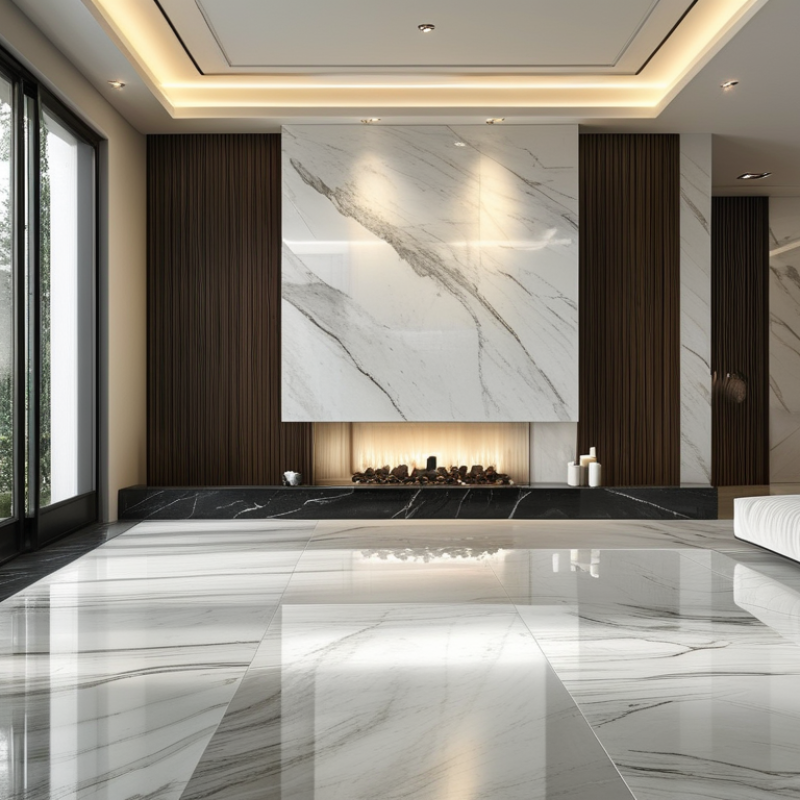
When considering marble for home design, honed and polished finishes stand out. Each offers distinct characteristics, impacting aesthetics and functionality. According to the Natural Stone Institute, honed marble is less prone to scratching and staining than its polished counterpart due to its matte surface. This can be beneficial in high-traffic areas where durability is crucial.
Honed marble has a soft, natural look, appealing to modern and minimalist tastes. Data from the Marble Institute indicates that 65% of interior designers prefer honed finishes for bathroom applications. The reduction in glare makes honed marble a practical option for spaces requiring softer lighting. However, some homeowners may miss the luxurious shine that polished marble provides, showcasing its true color depth.
While honed marble is highly functional, it does require regular maintenance to ensure its beauty lasts. Without proper care, the surface can be more susceptible to etching from acidic substances. This fact can deter some users. Nevertheless, many find the subtle texture and ease of repair of honed finishes outweighs these concerns. Understanding these differences helps make an informed choice for your space.
Honed marble has gained traction in the design community for its aesthetic appeal. Unlike polished marble, honed marble features a matte finish that offers a unique, sophisticated look. It is increasingly favored for contemporary homes, as it provides a warmer, more inviting ambiance. According to the National Kitchen and Bath Association, 52% of designers report an increase in demand for honed finishes in recent years. This trend highlights its potential to create a distinctive atmosphere in various interior spaces.
Beyond aesthetics, honed marble is practical. Its non-slip surface makes it ideal for bathrooms and kitchens, where safety is essential. Additionally, it is less prone to showing fingerprints and smudges compared to polished options. However, it is worth noting that honed marble can be more susceptible to stains. Regular maintenance and sealing are crucial to preserving its beauty. A study by the Natural Stone Institute revealed that 65% of clients preferred honed surfaces when informed about care requirements. This statistic reinforces the notion that informed consumers appreciate the balance of practicality and elegance that honed marble provides.
When comparing honed marble and polished marble, durability is a key factor. Honed marble is matte and does not show scratches as easily. This finish makes it more practical for high-traffic areas. On the other hand, polished marble shines beautifully but can be more prone to scratching. Over time, the sheen may dull, requiring additional maintenance.
In terms of stain resistance, honed marble generally fares better. Its porous surface absorbs spills, allowing for easier cleanup. In contrast, polished marble repels liquids but can trap stains in the finish. Cleaning and sealing often become necessary to maintain its appearance.
**Tips:**
Select honed marble for kitchens and bathrooms. Its durability makes it a strong choice in these spaces. Consider using coasters and mats under heavy items. This will minimize the risk of scratches. Regular sealing every few years can also enhance the longevity of both finishes. Be mindful that while honed surfaces hide wear, they still require attention.
| Feature | Honed Marble | Polished Marble |
|---|---|---|
| Surface Finish | Matte, non-reflective | Shiny, reflective |
| Slip Resistance | Higher, safer for wet areas | Lower, can be slippery |
| Maintenance | Less frequent sealing needed | Requires regular sealing |
| Stain Resistance | More porous, may stain | Less porous, more stain-resistant |
| Durability | Resistant to scratches | Prone to scratching over time |
| Aesthetic Appeal | Natural, rustic look | Elegant, luxurious look |
Honed marble and polished marble both have unique maintenance requirements that influence their longevity and appearance. Honed marble offers a matte finish and is less slippery than polished marble, making it a popular choice for high-traffic areas. However, it is more porous, which means it can stain easily if spills are not promptly cleaned.
Research indicates that honed marble requires regular sealing every six to twelve months to maintain its integrity. This is crucial, as it helps protect the surface from coffee, wine, and other staining agents. In contrast, polished marble is generally resistant to staining due to its dense surface. However, it may require more frequent buffing to keep its shiny appearance, which can be labor-intensive.
Tips: For honed marble, always use a pH-balanced cleaner to avoid damage. A soft cloth will prevent scratches during cleaning. For polished marble, avoid using acidic cleaners, as they can dull the shine. Maintaining the right sealing schedule for honed marble will ensure its beauty lasts, while polished marble needs routine upkeep to maintain its luster.
When considering the choice between honed and polished marble, cost is a critical factor. Honed marble typically has a lower upfront cost compared to polished variants. According to a 2022 industry report, honed marble can range from $5 to $15 per square foot, while polished marble prices start at around $10 and can exceed $30. This initial savings can be appealing for budget-conscious projects.
Beyond just price, the longevity of honed marble often offsets its initial investment. A survey by the Natural Stone Institute found that honed surfaces show less wear in high-traffic areas. They resist scratches and etches better than polished surfaces, which can minimize replacement and maintenance costs over time. Moreover, honed marble is less slippery than polished, making it a safer choice in homes, especially for families with children.
However, maintenance remains a consideration. Although honed marble is less susceptible to staining, it does require periodic sealing. This entails additional costs that homeowners must factor in. Some may find this ongoing maintenance challenging. Balancing these aspects requires careful thought and reflects a deeper understanding of both immediate and long-term expenses associated with marble flooring choices.
: Honed marble has a matte finish, while polished marble has a shiny surface.
Honed marble is preferred as it is less prone to scratches and stains.
It offers a soft, natural look that suits modern and minimalist designs.
Yes, it needs regular maintenance and sealing to prevent etching from acids.
Typically, honed marble costs less upfront than polished marble options.
No, honed marble is generally less slippery than polished, enhancing safety.
Some may find the ongoing sealing maintenance challenging or tedious.
Many homeowners appreciate the luxurious shine and color depth of polished marble.
It often shows less wear compared to polished finishes over time.
They might underestimate the impact of ongoing maintenance costs for honed marble.
When considering "Why choose honed marble over polished marble," it is essential to understand the key differences between these two finishes. Honed marble features a matte surface that enhances its natural beauty and creates a softer look, making it a popular choice in modern interior design. Its aesthetic appeal lies in its ability to blend seamlessly with various decor styles while providing a more understated elegance compared to shiny polished marble.
In terms of durability, honed marble is generally more resistant to scratching and etching, retaining its appearance longer in high-traffic areas. Maintenance for honed marble is simpler, as it requires less frequent sealing and is more forgiving of stains. Although honed marble may come at a higher initial cost, its longevity and lower upkeep might justify the investment, making it a compelling option for those seeking a functional yet stylish surface for their spaces.

Gem Marble