When considering the allure of marble countertops, durability is often a key concern. Homeowners frequently ask, "What is the average lifespan of a marble countertop?" Marble is revered for its beauty and elegance. However, it’s essential to approach this topic with a realistic perspective.
Typically, a well-maintained marble countertop can last over 20 years. Yet, this lifespan can vary significantly based on several factors. These include the quality of the marble, the frequency of use, and the care it receives. For example, environments with heavy kitchen use may wear down the surface more quickly.
Beyond mere statistics, it’s crucial to reflect on the compromises involved. While marble counters bring a sophisticated look, they are also prone to scratching and staining. This duality can lead to frustration for some buyers. Understanding these nuances can help potential owners make informed decisions about their countertop investments.
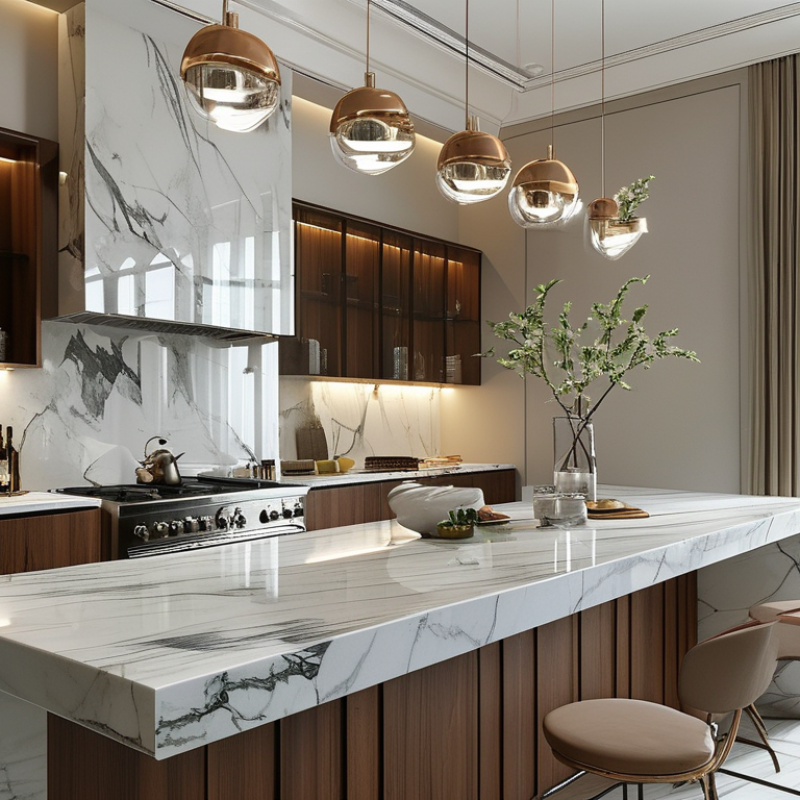
Average Lifespan of Marble Countertops: Key Factors to Consider
When considering the average lifespan of a marble countertop, several key factors come into play. Marble is a natural stone, and its durability varies greatly depending on usage and maintenance. Typically, marble countertops can last between 10 to 50 years. However, this range is influenced by how well they are cared for.
Factors such as daily wear and tear, the frequency of cleaning, and the use of protective sealants play vital roles. For example, acidic substances can etch the surface and shorten lifespan. Homeowners need to be mindful of spills and stains. Regular sealing can enhance durability, but not all homeowners do this. Many find themselves regretting the neglect of maintenance.
Additionally, installation quality impacts longevity. Poorly installed countertops are prone to cracking and chipping. They require skilled professionals to ensure proper support and sealing. Uneven surfaces can lead to pooling water, increasing the chance of damage. Reflecting on these elements can guide potential buyers in understanding the true lifespan of their marble countertops.
Understanding the Composition of Marble and Its Impact on Longevity
When considering marble countertops, understanding their composition is crucial. Marble is a metamorphic rock primarily composed of calcium carbonate. Its unique crystalline structure contributes to both its beauty and its vulnerability.
Scratch and stain resistance varies based on the marble type and finish. Softer varieties can wear down faster in high-traffic areas, highlighting their limitations.
Marble's porous nature can also affect longevity. Without proper sealing, liquids can penetrate and discolor the surface. Homeowners may overlook this maintenance aspect, leading to premature damage. Regular care is essential, yet it’s not always heeded.
Many may wonder how often to seal their countertops and question the long-term impact of neglect.
Additionally, temperature changes can cause cracks. While it adds beauty, frequent heat exposure can weaken the structure. Some users might feel that the aesthetic appeal outweighs these risks, but this can be a misguided perception. The natural variations in marble can make it stunning, yet also unpredictable in durability.
Understanding these factors may help potential buyers make informed choices.
Maintenance Practices for Extending Marble Countertop Lifespan
Marble countertops are a stunning addition to any kitchen or bathroom. However, their beauty requires diligent care. Regular maintenance is crucial for extending the lifespan of marble. Here are some effective practices to keep them looking pristine.
Clean your marble surfaces frequently with a pH-neutral cleaner. Avoid acidic substances that can damage the stone. Use soft cloths to prevent scratches. While spills might seem insignificant, they can lead to discoloration. Wipe them up immediately.
Tip: Seal your marble every six months. Sealing creates a protective barrier against stains. It’s an easy task anyone can do at home.
Avoid placing hot pots or pans directly on marble. This can cause thermal shock, leading to cracks. Always use trivets or pads to protect the surface.
Tip: Regularly check for signs of wear or fading. Sometimes, minor repairs can prevent costly replacements. Consider professional restoration if needed.
These maintenance practices can significantly enhance the durability of your marble countertops, allowing you to enjoy their elegance for many years.
Common Wear and Tear Issues in Marble Countertops Across Different Regions
Marble countertops are elegant and sought-after by homeowners worldwide. However, they experience wear and tear that varies by region. In humid climates, moisture can seep into the stone, causing staining and cracking. Cold regions may expose countertops to extreme temperatures, leading to fissures. Even in temperate areas, daily use can chip edges and dull the surface.
Cleaning approaches also differ globally, which impacts marble longevity. In some cultures, acidic cleaners are popular, but they can erode marble finishes. Many people overlook this, resulting in irreversible damage. Regular maintenance is key to preserving the marble’s beauty and functionality.
**Tips:**
Use coasters and cutting boards to protect the surface. Regularly seal your marble to prevent moisture absorption. When cleaning, opt for pH-neutral cleaners specifically designed for natural stone.
Average Lifespan of a Marble Countertop for Global Buyers
| Region |
Average Lifespan (Years) |
Common Wear and Tear Issues |
| North America |
15-20 |
Chipping, staining, etching from acidic substances |
| Europe |
20-25 |
Cracks, discoloration due to humidity |
| Asia |
10-15 |
Scratches, staining from oily substances |
| Australia |
15-18 |
Etching, weathering from environmental factors |
| South America |
12-16 |
Staining, chipping from heavy impacts |
Global Variations in Marble Quality and Their Effects on Durability
The durability of marble countertops varies significantly across the globe. Several factors impact their lifespan, including quality, maintenance practices, and environmental conditions. According to a report by the National Kitchen and Bath Association, high-quality marble can last anywhere from 20 to 50 years, while lower-grade options may degrade much faster, sometimes needing replacement within a decade.
Global variations in marble are influenced by the source of the stone. Italian marbles, renowned for their beauty and strength, tend to be more durable than their counterparts from other regions. In contrast, some imported marbles might originate from quarries with varied impurities. These impurities can compromise the stone's structural integrity, making it susceptible to chipping and cracking over time.
Tips: Always research the marble's origin before purchase. Understanding where your marble comes from can provide insights into its quality. Regular sealing and gentle cleaning will extend its life significantly. Remember, even premium marble requires attention; neglecting maintenance can lead to costly repairs. A little care goes a long way.
Average Lifespan of Marble Countertops by Region
This bar chart illustrates the average lifespan of marble countertops across different regions, showcasing how global variations in marble quality affect durability. As observed, countertops in Europe tend to last the longest compared to other regions.
FAQS
: Marble is mostly made of calcium carbonate, which is a metamorphic rock.
Softer marble varieties are more prone to scratches and wear in high-traffic areas.
Sealing prevents liquids from penetrating the porous surface and causing discoloration.
It’s recommended to seal marble every six months for optimal protection.
Yes, placing hot items directly on marble can cause thermal shock and cracks.
Many overlook sealing and regular cleaning, leading to premature damage.
Humid areas may cause moisture-related stains, while cold regions can lead to cracking.
Use pH-neutral cleaners, as acidic substances can damage the marble’s finish.
Wipe up spills immediately to prevent staining and discoloration.
Some cultures use acidic cleaners that can lead to irreversible damage on marble.
Conclusion
The article "Average Lifespan of a Marble Countertop for Global Buyers?" explores the various factors influencing the longevity of marble countertops. Understanding the composition of marble is crucial, as its natural characteristics significantly impact durability. The article highlights that maintenance practices, such as regular sealing and prompt cleaning of spills, can effectively extend the lifespan of marble surfaces.
Additionally, it addresses common wear and tear issues encountered in different regions, which may vary due to environmental conditions and usage patterns. Global variations in marble quality also play a vital role in determining how long a countertop can last. Ultimately, the article answers the question, "What is the average lifespan of a marble countertop?" by providing insights into these critical factors, emphasizing that with proper care, marble countertops can endure many years.

 Gem Marble